
Discover the Enigmatic Realm of Space Observation: Juno Versus James Webb
Understanding the Potential: Juno versus James Webb
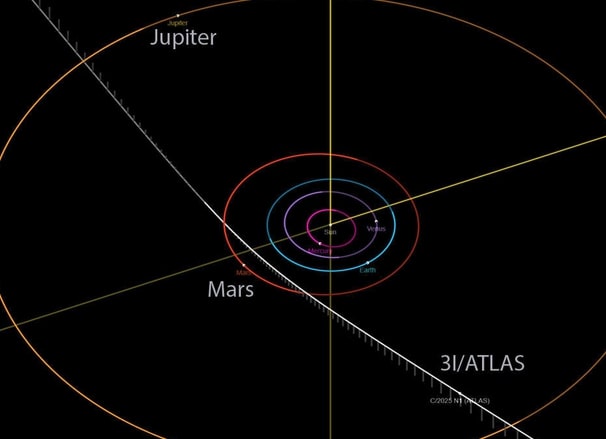
In the world of space exploration, the quest to unravel the mysteries of celestial bodies continues to enthrall scientists and astronomy enthusiasts alike. The 3I/Atlas is an enticing target in this cosmic journey, presenting unique observational opportunities. Juno, lauded for its proximity to the subject, is said to offer 20-24x better angular resolution compared to the renowned James Webb Space Telescope (JWST). This phenomenal ability to discern finer details makes Juno an intriguing tool in the study of 3I/Atlas.
The Advantage of Proximity
Juno's closer range to 3I/Atlas gives it a significant edge. With a distance ratio of approximately 24:1, Juno can reveal extended features such as jets or tails with remarkable clarity. This proximity enables astronomers to delve deeper into the anatomy of 3I/Atlas, offering insights that may remain elusive to more distanced observatories.
"The more you know about the past, the better prepared you are for the future." – Theodore Roosevelt
Comparative Analysis with James Webb
While James Webb boasts of unparalleled infrared capabilities, which provide an expansive view of the universe, its analysis of closer and smaller objects like 3I/Atlas might not match Juno's specificity. The resolution factor makes Juno a compelling choice for focusing on specific features within the comet.
Technological Nuances and Advancements
Both Juno and JWST incorporate groundbreaking technologies to aid space research. Juno's suite includes visible light and infrared cameras that can juxtapose with JWST's sophisticated infrared spectrometry. This contrast highlights how space agencies harness different wavelengths and observational strategies to address unique scientific inquiries.
- Juno boasts onboard capabilities for capturing real-time data.
- JWST features a high-altitude observing post that offers a broader view of the cosmos.
Further Exploration of 3I/Atlas
For those wishing to delve deeper into the enigmatic realms of comet observation, research articles on 3I/Atlas provide expansive knowledge. Additionally, explorers can turn to scientific journals and documentaries for enriched content and discussions on space exploration endeavors.
Invitation to the Curious Mind
Space observation is rich with potential learning and discovery. Whether through Juno or James Webb, each telescope you explore offers a universe of knowledge waiting to be uncovered. Keep an eye out for books on astronomy and follow your favorite space personalities for their latest views on these groundbreaking advancements.
