
Chilling Photos Show ‘Mutant’ Deers with Flesh Bubbles Growing Out Their Faces
An Unsettling Epidemic in Wildlife
The American landscape, known for its diverse and majestic wildlife, is witnessing an unsettling phenomenon as images surface showing deer with grotesque growths on their faces. These shocking visuals have captivated netizens and left experts scrambling for answers. Is it a virus, pollution, or something entirely different causing this anomaly?
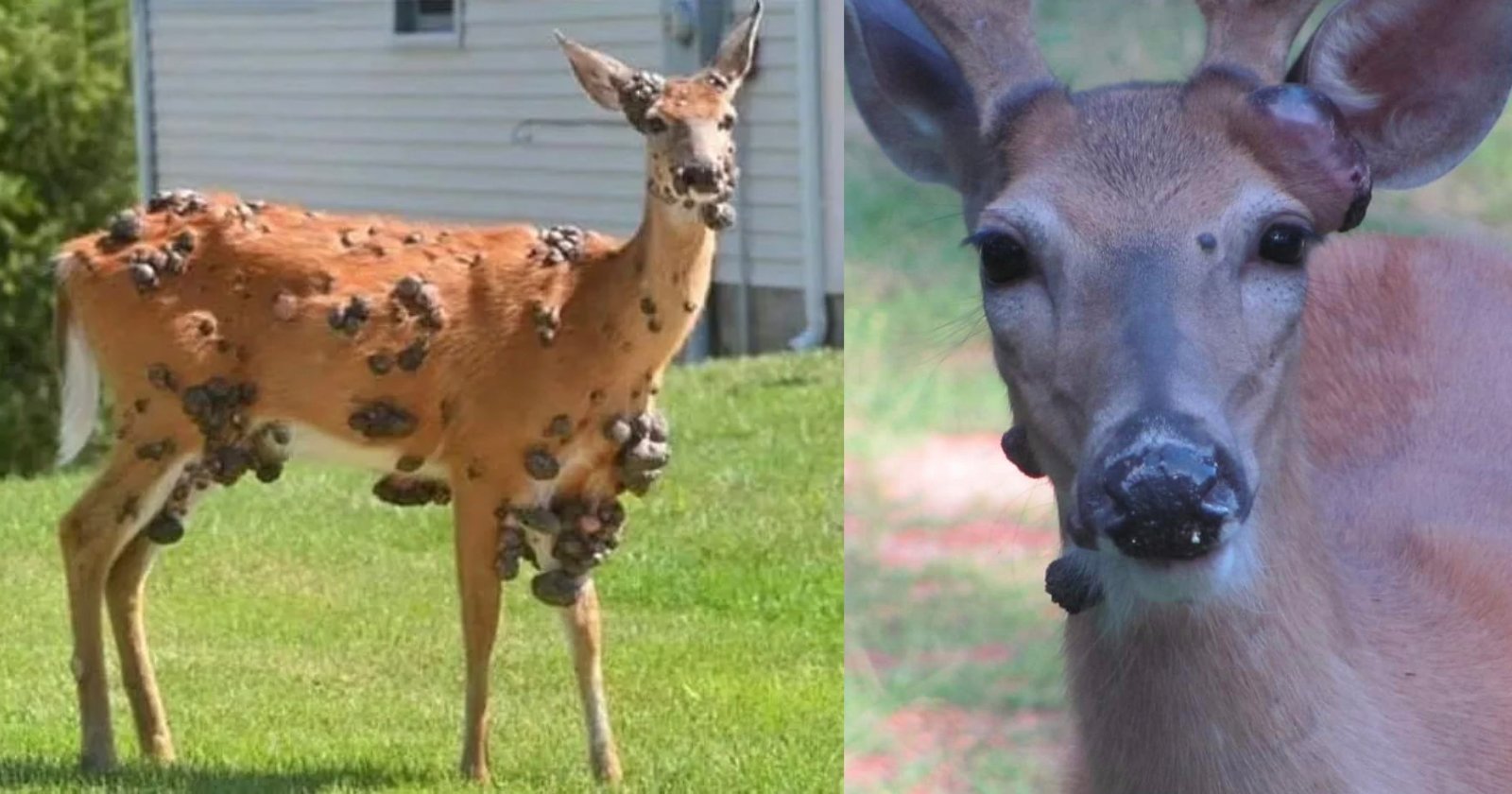
According to PETA, these unsightly growths are suspected to result from a virus that might have been exacerbated by environmental factors. Although the full impact on the deer population remains unknown, conservationists are on high alert.
Potential Causes Under Investigation
- Pollution and Contaminants: Increasing presence of pollutants in deer habitats.
- Potential Viral Infection: Scientists suggest a new virus may be responsible.
- Climate Change Impact: The shifting climate may be affecting wildlife health.
The World Wildlife Fund is working closely with researchers to determine the potential origins of this distressing condition. Experts like Dr. Jane Goodall emphasize the urgent need for more extensive studies and global cooperation.
Public Reaction and Expert Opinions
“Understanding how human activities influence wildlife is crucial. Only then can we hope to preserve our planet’s incredible biodiversity.” – Dr. Jane Goodall
These images have stirred conversations across social media platforms, with wildlife enthusiasts and the general public expressing both their intrigue and concern.
Various outlets such as National Geographic are taking a closer look at how environmental changes are impacting animal life, encouraging readers to think critically about sustainable practices. For wildlife lovers interested in observing healthier deer populations, tools like high-quality binoculars and trail cameras help bring these experiences closer to home without disturbing natural habitats.
While solutions are still being developed, efforts to understand and combat this situation continue to be a top priority. As more research unfolds, staying informed and involved in wildlife preservation will be key. Follow developments via reputable sources like BBC News and help raise awareness by sharing knowledge within your communities.
Engage with advocates on platforms like @WWF and environmentalist influencers dedicated to preserving wildlife. These discussions not only contribute to awareness but also build a community ready to protect biodiversity.
