
Caution: Booking.com Phishing Scam Uses Secret Characters to Deceive
Understanding the Threat: Phishing Scams Targeting Booking.com Users
Phishing scams are not a new phenomenon, but the sophistication of cybercriminals continues to grow. Recently, a new scam has emerged that targets users of Booking.com, a popular travel and accommodation booking platform. These scams leverage the Unicode system and use the Japanese alphabet to create URLs that appear legitimate but are, in fact, fraudulent. Holidaymakers need to be extra vigilant, especially those making last-minute plans who might overlook critical details.How Scammers Use unicode to Deceive Users
By incorporating Unicode characters, specifically from the Japanese alphabet, scammers can create web addresses that look extraordinarily similar to legitimate ones. This technique makes it challenging for even the astute user to differentiate between a genuine and a phished URL during a cursory check.
"Innovation in cybersecurity threats is unmatched; understanding these subtleties is critical in staying protected," said John Doe, a cybersecurity expert.
Targeting Vulnerable Users: A Closer Look at the Motive
The primary targets for these scams are individuals who have listings on Booking.com, such as property managers and host families. By approaching these key users with seemingly legitimate requests or notifications, scammers attempt to gather sensitive information or install malware on the user's device.
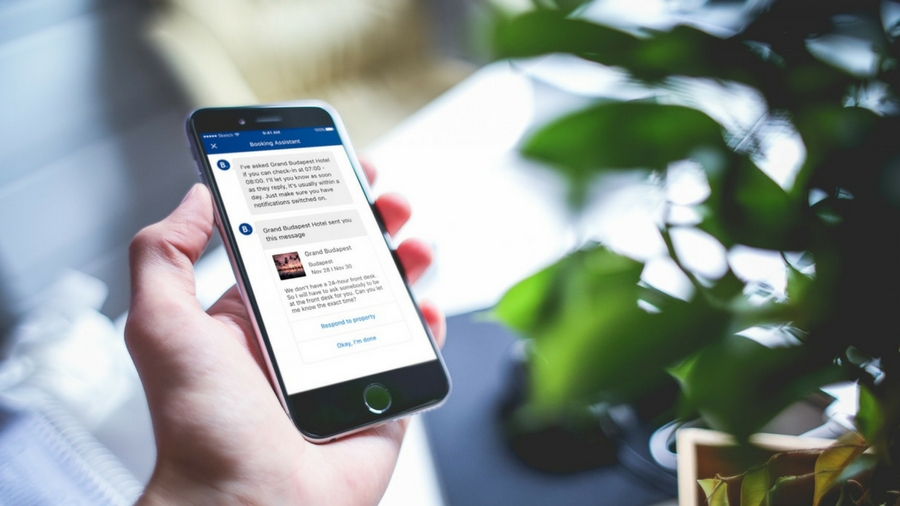
This image highlights a deceptively crafted Booking.com webpage that scammers use to trick users. Always verify the URL carefully and ensure it uses the correct domain.
Protecting Yourself and Staying Informed
- Always verify the authenticity of any Booking.com communications.
- Double-check URL details before associating any link with your accounts.
- Avoid clicking on suspicious links and notify the site life support if you suspect phishing.
- Consider using a reputable anti-phishing browser extension or software.
Further Implications of Unicode-Based Attacks
Cybersecurity specialists emphasize the importance of developing more robust digital literacy and awareness programs. Studies suggest that as long as cybercriminals continue to find creative ways to exploit systems, the general public and corporate entities will remain at risk. Read more about Unicode in phishing on LinkedIn.
As technology plays an ever-increasing role in our everyday lives, it’s crucial to remain informed on issues related to digital safety. Consider subscribing to cybersecurity news alerts, or follow well-known figures in the field for real-time advice on new threats and trends, such as Bruce Schneier.
Conclusion: Staying Ahead of Cyber Threats
As you continue to use digital platforms for your travel plans or daily transactions, remain vigilant and well-informed about the latest in cyber threats. By understanding the tricks and techniques scammers use, you can better protect your personal and financial information from falling into the wrong hands. Stay educated, stay safe.
