
BOE Split: Two Votes, No Majority - Decoding Interest Rate Dilemma
The Unsettling Decision: No Majority, Two Votes
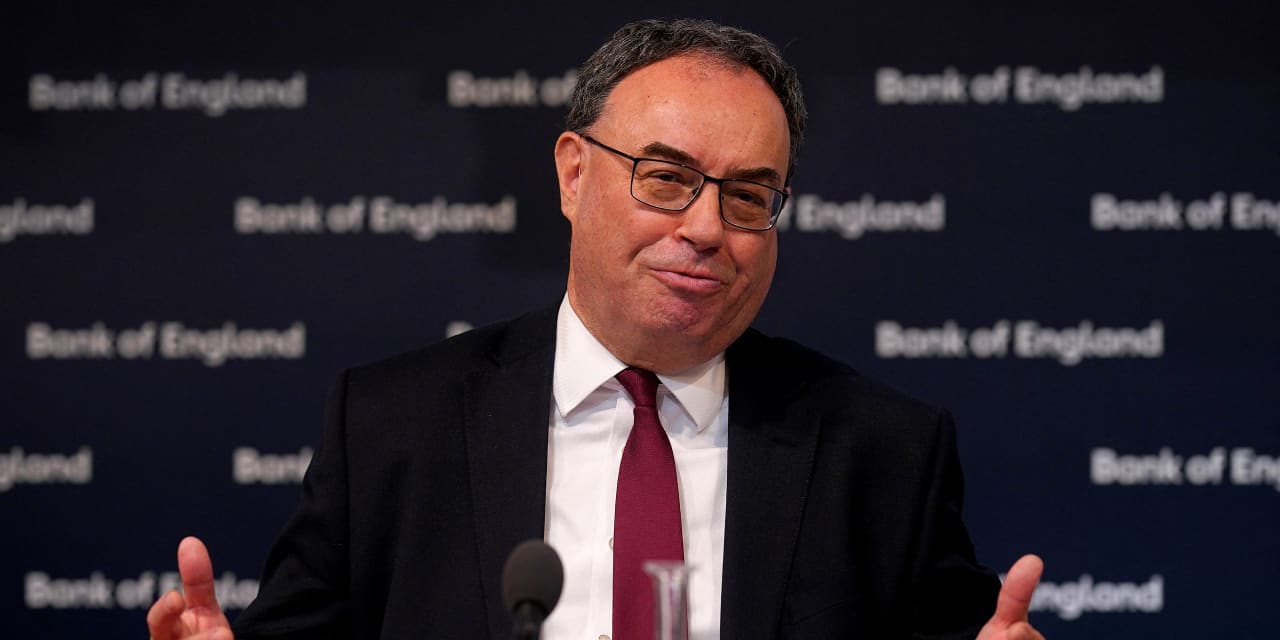
In a fascinating turn of events, the Bank of England's Monetary Policy Committee (MPC) found itself divided like never before. With four members voting for one stance and an equal number vying for another, the lack of majority left experts and markets speculating. The balancing act between fostering economic growth and controlling inflation has rarely been more complex.
Why Such Division?
Several factors fuel this division, including differing views on economic recovery, inflation trends, and fiscal policies. Members are tasked with considering data ranging from unemployment rates to consumer spending, and current government policies. This diversity in priorities often leads to varied conclusions.
"Our decisions are not just based on forecasts, but a wide array of economic factors that sometimes challenge our collective stance," - stated a senior MPC member.
Inside the Committee's Mind
The internal dynamics of the MPC shed light on their decision-making processes. Members often lean on statistical models, reports, and external expert opinions both from within the UK and internationally. Yet, the human element – biases, comfort levels with risk, and political influences – add layers to this complex puzzle.
- Considering inflation and interest rates relationships
- Analyzing global market trends
- Balancing monetary policies with fiscal needs
The broader implications of these divided votes are profound. When central banks like the Bank of England showcase disagreements, markets respond with shifts often resulting in increased volatility in GBP and related securities. Investors globally keep a watchful eye on these nuanced discussions to anticipate future policy directions.
Global Ripple Effects
The Bank of England's decisions echo through global financial markets. Other central banks scrutinize these outcomes to adjust their own policies. This cascading effect can redefine investment strategies and consumer spending behaviors from London to Johannesburg. For those interested in the global economy, it's a silent clarion call to stay informed and reactive.
Explore Global Economy Books on AmazonWith such landmark decisions, it's crucial for business leaders, economists, and consumers to digest these insights thoughtfully. The diverse opinions within the MPC ultimately underscore the complexity of safeguarding a nation's financial stability in the face of global uncertainty. Stay updated with renowned economists and market analysts on platforms like LinkedIn and discover techniques to better navigate financial landscapes.
