
AI designs new superbug-killing antibiotics
The Rise of AI in Drug Discovery
Artificial intelligence (AI) is transforming industries, and drug discovery is no exception. At the Massachusetts Institute of Technology (MIT), researchers have successfully leveraged AI to craft atom-by-atom structures of new antibiotics. These drugs are designed to target and annihilate drug-resistant pathogens such as gonorrhoea and Methicillin-resistant Staphylococcus aureus (MRSA).
Why Gonorrhoea and MRSA?
Gonorrhoea and MRSA represent significant public health challenges due to their increasing resistance to current antibiotics. Gonorrhoea threatens reproductive health, while MRSA can cause severe skin infections and more. The urgency to find effective treatments is driving innovative approaches, including AI-powered drug design.
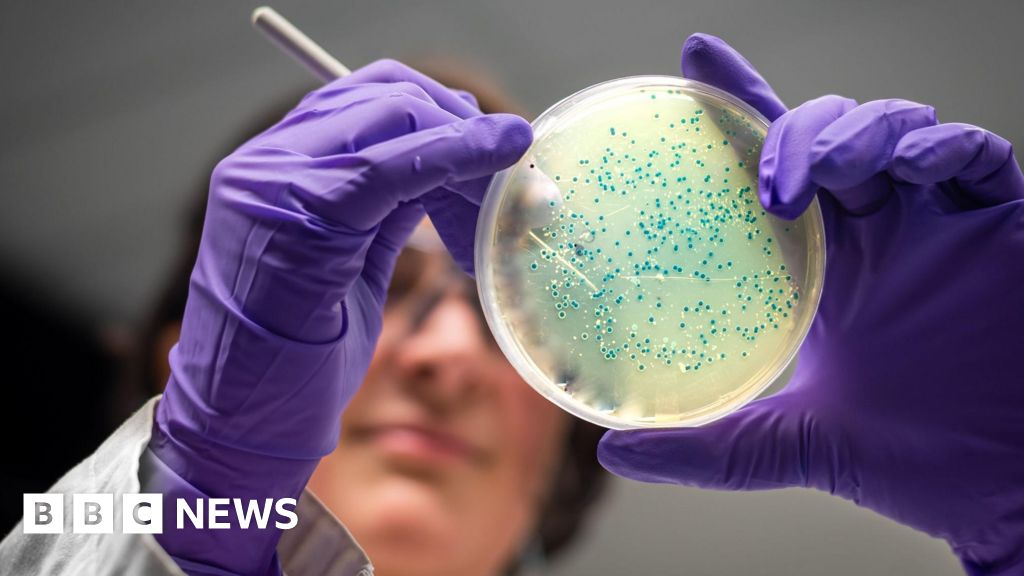
"The role of AI in redefining our approach to antibiotic resistance is immense. It represents a formidable ally in designing sophisticated solutions to age-old problems." - Leading Researcher at MIT
How AI Models Create New Antibiotics
By using advanced modeling techniques, AI delves into vast chemical datasets, identifying critical molecular structures for antibiotic effectiveness. The algorithms analyze and predict which combinations can combat specific resistant strains, significantly speeding up the traditional drug discovery process.
Implications for Global Health
- Reduced reliance on existing antibiotics.
- Potential for personalized medicine approaches in treating infections.
- Cost-effective and faster production of drugs.
Connections to Broader Research
The AI breakthrough in antibiotic design is part of a broader trend in biotechnological research. Read more about AI's role in drug discovery and watch related discussions on YouTube.
Continued Exploration in AI Drug Design
As AI continues to evolve, its applications in other critical areas of healthcare remain promising. With further investment and research, AI could catalyze a new era of personalized and precision medicine, expanding the horizon of what is achievable in disease treatment and management.
