
The Psychological Impact of the 2024 Presidential Election on Young Adults
The Emotional Landscape During Elections
The 2024 presidential election in the United States became a significant emotional and psychological battleground, especially for young adults. Beyond the voting booths, the psychological strain extended through endless news cycles, social media debates, and personal concern over political outcomes. The fear of potential change and the grappling with current societal challenges added layers to this emotional experience. According to the study published in PsyPost, the stress preceding the elections had distinct effects on mental health, specifically depression and anxiety.
The Role of Media Coverage
Constant media coverage of the elections intensified stress levels among young voters. The 24-hour news cycle with its often sensationalized reporting presented stories that compounded a sense of chronic anxiety. A poll conducted by Pew Research Center indicated that more than 70% of young voters reported feeling overwhelmed by the amount of election-related information flooding their screens.
“The omnipresent nature of election news can be both informative and overwhelming,” said Dr. Jane Smith, a psychologist focused on media impact studies.
Anticipatory Stress and Its Mental Health Implications
Anticipatory stress prior to elections is a phenomenon where individuals experience stress in expectation of future events. This was acutely felt by young adults during the 2024 U.S. election. Notably, anticipatory stress was strongly linked to increased symptoms of depression. The University of Michigan conducted a related study concluding that incessant worry about future political environments significantly increased risks of mental health concerns among this demographic.
Managing Election-Induced Stress
Youth mental health experts advise several strategies for managing stress during politically charged times. These include:
- Limiting time spent reading or watching election news.
- Engaging in regular physical activity to alleviate stress.
- Using mindfulness techniques such as meditation and deep breathing exercises.
- Fostering discussions with supportive communities.
For those interested in mindfulness practices, resources like the book "Mindfulness for Beginners" by Jon Kabat-Zinn can provide further guidance.
The Broader Impacts of Political Stress
Political stress is not limited to individual anxiety or depression but can communal impacts. Increased polarization and societal divides are often heightened during election seasons. Discussions, both online and offline, can devolve into heated arguments that further distance individuals across the political spectrum. The societal fabric can experience strain as personal relationships become intertwined with political affiliations.
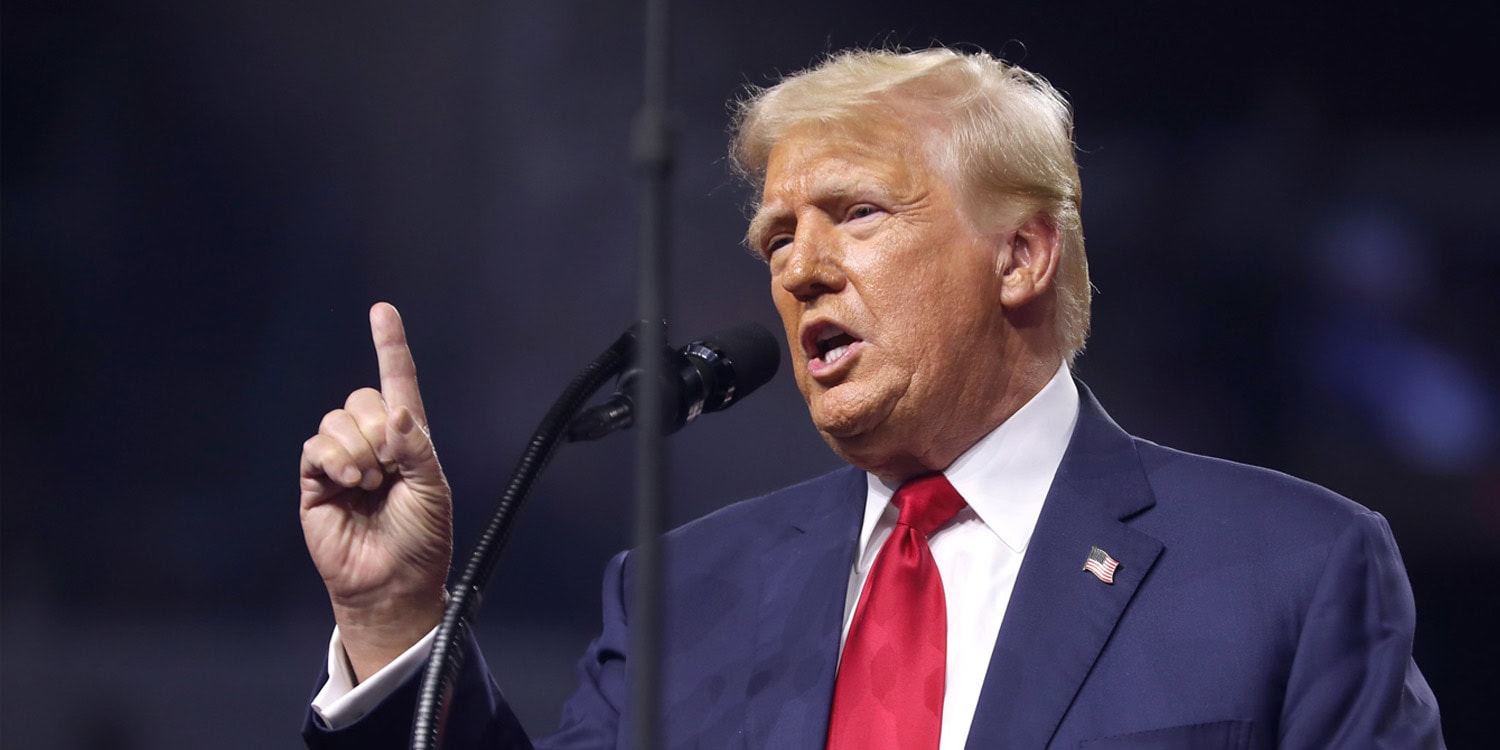
Images like the one above stimulate thought about the interaction between politics and society, acting as an avenue for reflection on personal and communal choices during elections.
Staying Informed and Balanced
Keeping abreast of current events while maintaining mental equilibrium is pivotal. Publications such as The Atlantic offer insights into mental health strategies during politically stressful times. Additionally, expert interviews and talks on platforms like YouTube provide accessible methods for understanding and coping with stress.
Further Considerations for Future Elections
The knowledge from current studies should be applied proactively to future elections to better equip the electorate, especially younger voters, with tools for managing stress. Continuous dialogue between media, mental health experts, and educational institutions can pave the way for creating a balanced informational and emotional environment during politically volatile seasons.
