
Virus Discovery Among Bats Raises Alarm in China’s Fruit Orchards - What You Need to Know Now!
Revelations from the Fruit Orchards
Amid the serene landscapes of Yunnan, researchers have unveiled a startling discovery. Bats residing in these fruitful lands hold more than meets the eye. Their kidneys, upon scientific investigation, revealed an array of pathogens, some of which could potentially jump the species barrier and impact human and animal health. This raises questions and concerns about potential disease outbreaks reminiscent of past zoonotic events.
Understanding Zoonotic Viruses
Zoonotic viruses are infectious agents that cross from animals to humans, often with devastating effects. The World Health Organization has long monitored such viruses, given their ability to rapidly spread and cause significant mortality. Noteworthy is the impact of zoonotic diseases listed by WHO, which include viral infections like the Ebola and Nipah viruses that share similar origins with those found in Yunnan.
Implications for Public Health
"One Health is a collaborative approach to addressing shared health threats at the human-animal-environment interface," stated the Center for Disease Control and Prevention, highlighting the need to understand these dynamics.
The discovery emphasizes the pressing need for effective monitoring and interventions in regions with close proximity to wildlife. Continuous research and preparedness can significantly mitigate potential outbreaks. For a practical understanding, the One Health approach, as advocated by experts, needs to be adopted on a global scale.
Conservation and Eco-Awareness
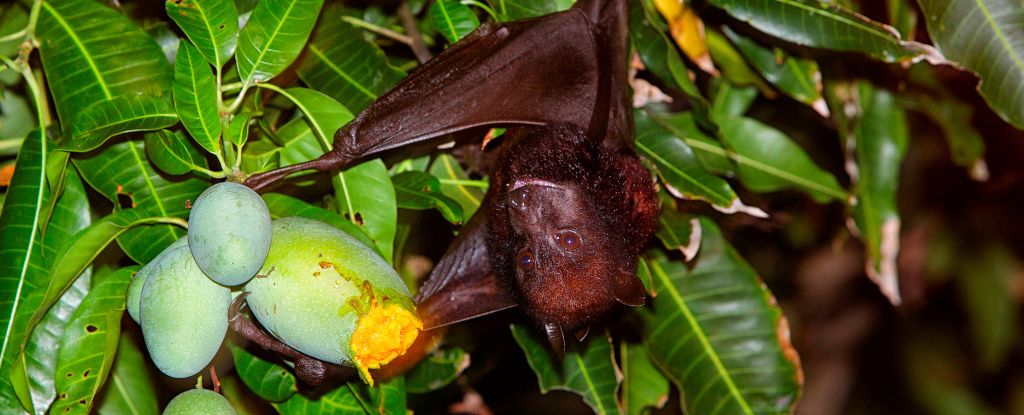
Conservation biologists argue that habitat encroachment is a significant factor increasing disease spillover risks. Efforts to conserve natural habitats may not only protect biodiversity but also serve as a natural barrier reducing the frequency of such human-animal interactions. This aligns with the IUCN's stance on bat conservation and its implications for global health.
The Path Forward
- Enhanced surveillance: Initiatives should focus on constant monitoring of wildlife health and its potential impact on global ecosystems.
- Public education: Sharing information on the benefits and risks of wildlife interactions through community outreach and social media platforms.
- Research and development: Funding into the development of treatments and vaccines aimed at preventing potential outbreaks stemming from these viruses.
New insights and strategies in managing these risks are crucial for future preparedness. Increased research funding and international collaboration are paramount.
Looking Ahead
Efforts to coalesce scientific insights with public policy can harness the potential to avert a crisis. By proactively engaging in conservation and education, the global community can strive to balance ecological integrity with public health safety.
