
Unsubscribe Button: Friend or Foe? - Proceed with Caution
The Unsubscribe Hazard: An Overlooked Security Concern
In today's digital world, our inboxes are often bombarded with endless promotional emails and newsletters that clutter our digital space. You might think it's harmless to click "unsubscribe" to declutter, but cybersecurity experts are sending out alarms. According to researchers, those seemingly harmless buttons can sometimes redirect you to malicious websites designed to harm your device or steal personal information.
The Trick Behind the Unsubscribe Button
Cybercriminals often embed phishing links under the guise of a legitimate "unsubscribe" button. When victims click on these, they're led to unsafe pages where they're prompted to enter sensitive information, such as their login credentials or financial details. This technique takes advantage of users' desire to maintain a clean inbox, targeting the less vigilant.
"In the age of cyber threats, something as simple as an 'unsubscribe' button can be transformed into a powerful tool for phishing attacks."
For more insights, check out this detailed analysis on modern cyber threats.
How to Safely Manage Your Inbox
- Instead of clicking directly on the unsubscribe link, visit the official website of the sender where you have subscribed and manage your email preferences.
- Employ email filtering systems to segregate spam mail automatically.
- Regularly update your anti-virus software to shield against these threats.
- Consider using a secondary email for subscriptions.
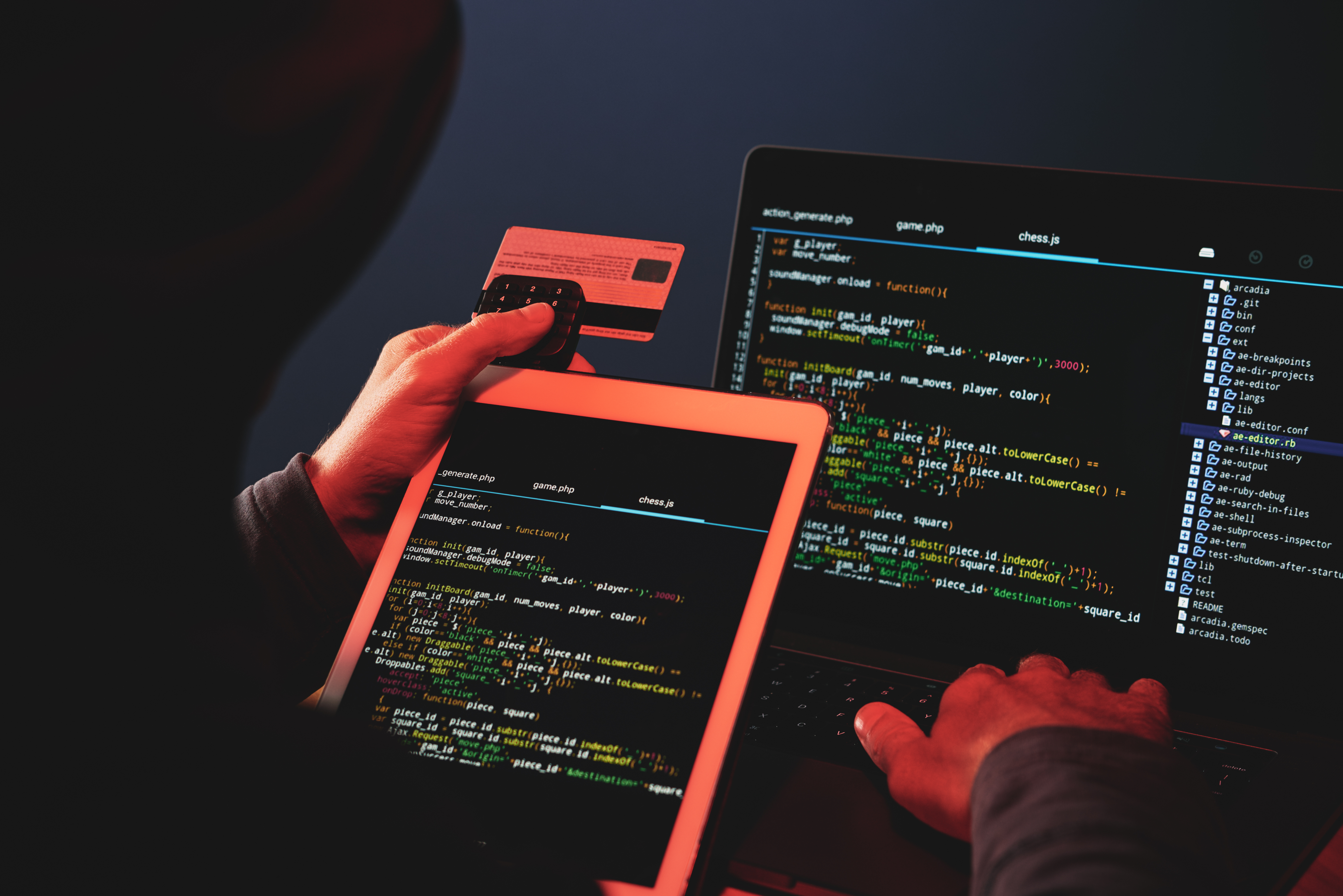
Learn more tips on improving your online security with this YouTube video on email security.
Real Stories: Alarm & Alert
There have been numerous reports from individuals who faced the consequences of clicking fake unsubscribe links, leading to unwanted data loss. An expert study on cybersecurity incidents emphasized that 60% of these cases were preventable by exercising caution.
Enhancing Knowledge: Stay Ahead of Cybercriminals
Keeping up with cybersecurity trends is a critical step towards personal safety online. Engaging with platforms like LinkedIn for professional advice or recommended books on Amazon can enrich your understanding and keep you informed. Knowledge is your best defense against these sophisticated threats.
