
Think Twice Before You Eat Bagged Lettuce
The Allure of Convenience
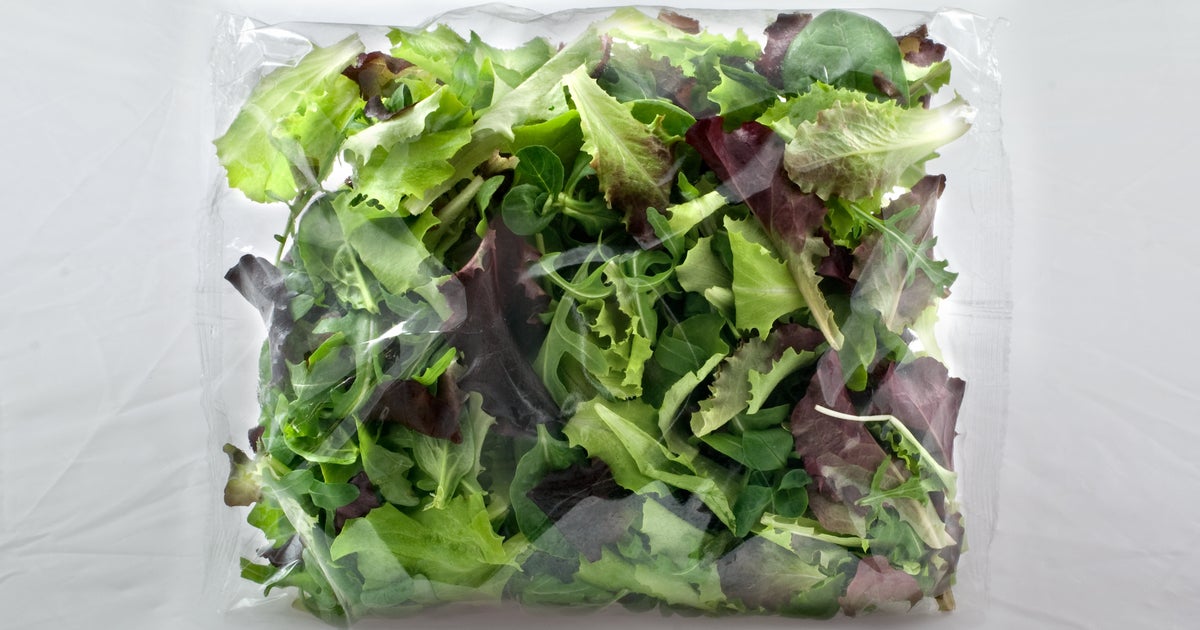
We all love saving time in the kitchen, and prewashed bagged greens seem perfect for the task. But beneath their neatly packaged appearance, there can be hidden health risks. Recent studies have shown that these ready-to-eat salads can sometimes contain harmful bacteria due to contamination during the packaging process.
Understanding the Risks
The simplicity of grabbing a bag of lettuce may be undercut by the controversies surrounding its safety. It turns out that washing and bagging processes might not be as thorough as you'd hope. Additionally, Postdoctoral Researcher at MIT, Dr. Jane Merriweather, notes, "Bagged lettuce can serve as a breeding ground for bacteria if any part of the process isn't completely sanitized."
“Bagged lettuce can serve as a breeding ground for bacteria if any part of the process isn't completely sanitized.” - Dr. Jane Merriweather
Environmental Concerns: The "Manure Lagoon"
Beyond potential health risks, the environmental impact of bagged lettuce and other prepackaged greens can't be overlooked. Much of the production process involves large-scale farming operations that use "manure lagoons" — vast pools of animal waste that are used as fertilizer but can pose significant environmental hazards. This can lead to potential contamination of water sources, affecting not just the produce but your entire ecosystem.
Healthier Alternatives and Solutions
If you're concerned about the potential risks of bagged lettuce, consider these alternatives:
- Buy Whole Heads of Lettuce: Opt for whole heads of lettuce and wash them yourself. This way, you have control over the sanitation process.
- Grow Your Own: Investing in a small indoor garden kit from Amazon can provide you with fresh, organic greens all year round. Check out these indoor garden kits and get started.
Further Reading and Resources
For more insights, visit research articles and reviews on health safety regarding prewashed salads. Popular blogs such as [NutritionFacts.org](https://nutritionfacts.org) provide comprehensive guides on eating safely while maintaining convenience in meal prep. Similarly, explore discussions on popular social media platforms, including [Twitter Health](https://twitter.com/health), where dietitians share daily tips and stories.
Open conversations about our food sources' impact on health and environment are more critical now than ever. Keep informed and make choices that benefit both you and the planet. By understanding the complexity behind simple choices, you contribute to sustained health and environmental integrity. Do check some more [farm-to-table movements](https://www.loc.gov/) for inspiration on sustainable eating habits.
