
Tesla's Driverless Revolution: The Texas Breakthrough
The New Frontier in Autonomous Vehicles
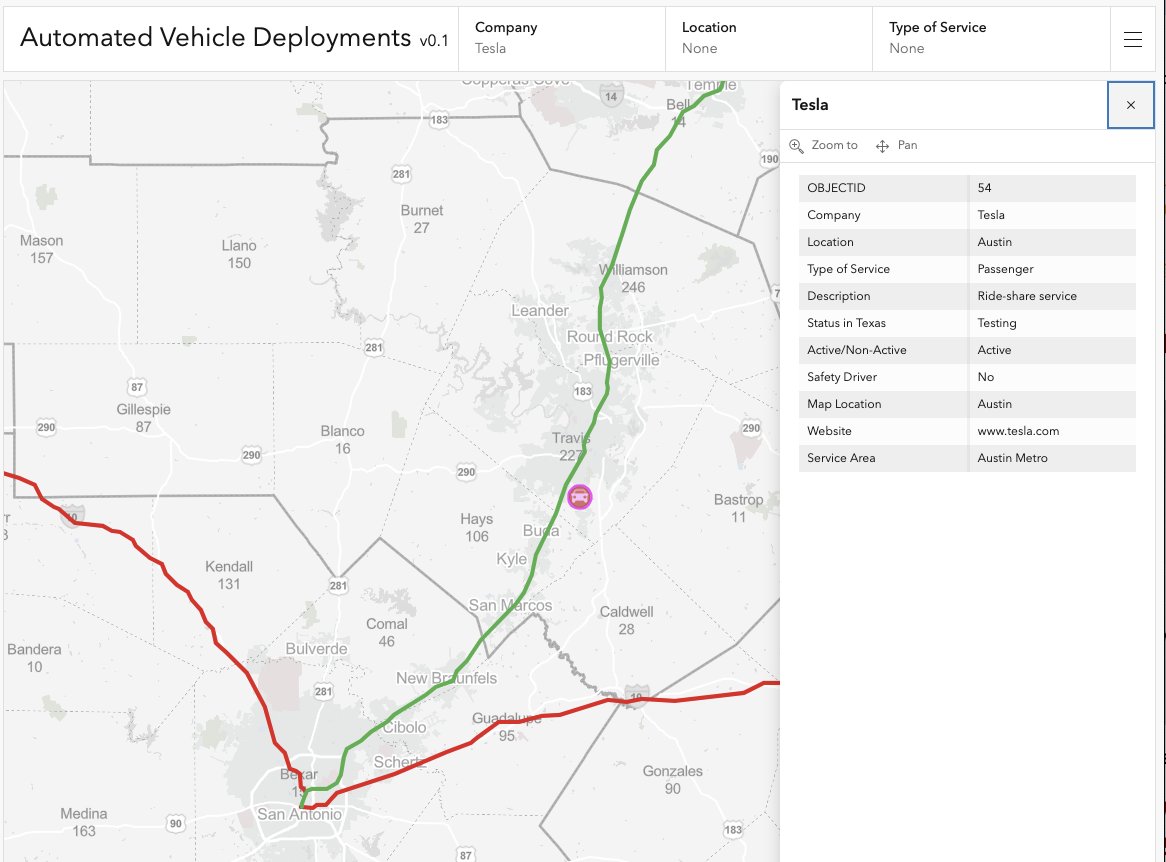
Tesla has achieved a remarkable milestone with the authorization to deploy Robotaxis without safety drivers in Texas. The Texas Department of Transportation's acknowledgment marks a significant step in the journey toward fully autonomous vehicles navigating our roads. The integration of Tesla's advanced self-driving technology could redefine urban mobility, promising convenience and safety while reducing traffic congestion and pollution.
Brian Wang's Perspective
Brian Wang, a renowned Futurist Thought Leader and the mind behind Nextbigfuture.com, stated, "The deployment of Tesla's Robotaxis in Texas is not just an advancement in technology but a transition towards a smart and sustainable transportation future."
The Advantages of Autonomous Vehicle Deployment
- Enhanced safety and reduction in human error.
- Improved traffic flow and reduced congestion.
- Lower emissions and environmental impact.
- Increased accessibility for non-drivers and disabled individuals.
Tesla's venture into driverless services aligns with global smart city initiatives, leveraging technology to create efficient, safe, and integrated urban environments. This development may serve as a catalyst for other regions and companies to follow suit, driving a more robust infrastructure for autonomous vehicles.
Potential Challenges and Considerations
The road to widespread autonomous vehicle adoption isn't without hurdles. Regulatory challenges, public acceptance, and the need for robust cybersecurity measures are paramount. Moreover, the ethical implications of AI decision-making in critical situations continue to be a topic of debate among experts and the public alike.
Innovations and Future Prospects
Beyond the immediate benefits and challenges, the long-term prospects of autonomous vehicles are vast. Concepts like real-time traffic management, AI-driven ride-sharing, and integration with other forms of smart technology could transform urban landscapes. The potential for cross-industry collaboration further amplifies these possibilities.
This leap by Tesla might inspire advancements in complementary sectors such as electric vehicle infrastructure, energy solutions, and AI development. Collaboration with innovators and policymakers could accelerate developments, benefiting both individuals and communities at large.
For those interested in learning more, explore this relevant book on Amazon about autonomous vehicle technology.
Wide-Ranging Implications
As we venture further into the autonomous age, the implications span beyond technology and transportation, impacting social norms, economic dynamics, and environmental policies. The ripple effect of Tesla's approval in Texas could herald new opportunities for growth and innovation in multiple spheres.
Discover more about Tesla's Autopilot technology on their official page. For industry updates and expert insights, visit Tesla Motors on LinkedIn.
