
Revolutionary Computing: Rent Human Brain Cells on a Chip for $300 a Week!
The Future of Computing: Silicon Meets Neurons
In a pioneering leap for technology and science, Cortical Labs has introduced an unprecedented innovation: the CL1 computer. This cutting-edge system blends human brain cells with silicon chips, allowing users to interact directly with real neurons. The technology, affordable at $300 per week, is set to redefine the boundaries of computing as we know it.
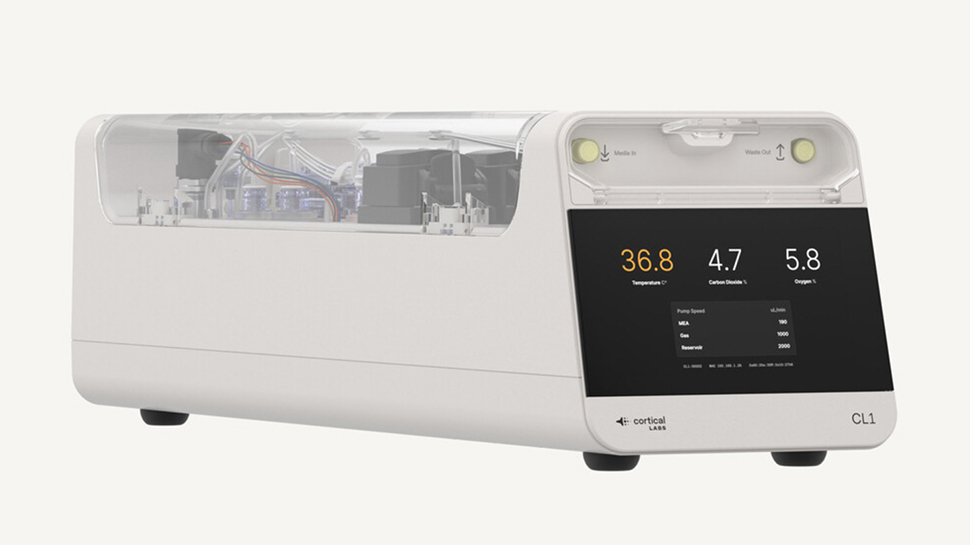
How Cortical Labs is Changing the Game
Cortical Labs' CL1 system merges the biological with the technological, creating a platform that processes real code through a neuron-based computing matrix. This transformative technology opens new doors for fields ranging from artificial intelligence to neuroscience.
"The intelligence of technology has finally met the flexibility of biology. This isn't just a step forward; it's a new era of computational revolution." — Dr. Maxine Bennett, Neuroscientist
Why the Affordable Pricing Matters
With prices lower than a Nintendo Switch 2, accessing this technology is more feasible than ever. Whether for educational purposes, innovative research, or exploring neuron-computing potential, this opportunity democratizes advanced tech explorations.
Limitless Applications of Neuron-Powered Computing
The integration of neuron-computer systems has potential applications in diverse sectors including gaming, smart technologies, and educational tools. Imagine interacting with your devices through sophisticated, neuron-based processing power — the possibilities are vast.
Further reading: Neural Network Integration
In the Words of Tech Innovators
Leading voices in technology underscore this development as a pivotal moment for computing.
"This merging of human and machine intelligence is not simply a technological advancement; it's a paradigm shift in how we see and use computing resources." — Elon Musk, CEO of Tesla and SpaceX
Explore More and Stay Informed
For those intrigued by the potential of this technology, further exploration is key. With ongoing developments, staying informed about advancements and new applications will be critical.
Join the conversation on Twitter and LinkedIn to learn more about the future of brain-computer technologies.
