
Revealing the Secrets of Aging in Our Blood
Understanding Aging: A New Perspective
Aging has typically been viewed as a localized cellular process that affects tissues independently. However, innovative research now exposes a broader mechanism that implicates the bloodstream in systemic aging. The discovery of the redox-sensitive protein, ReHMGB1, secreted by senescent cells, has unveiled new insights into how aging manifests throughout the body.
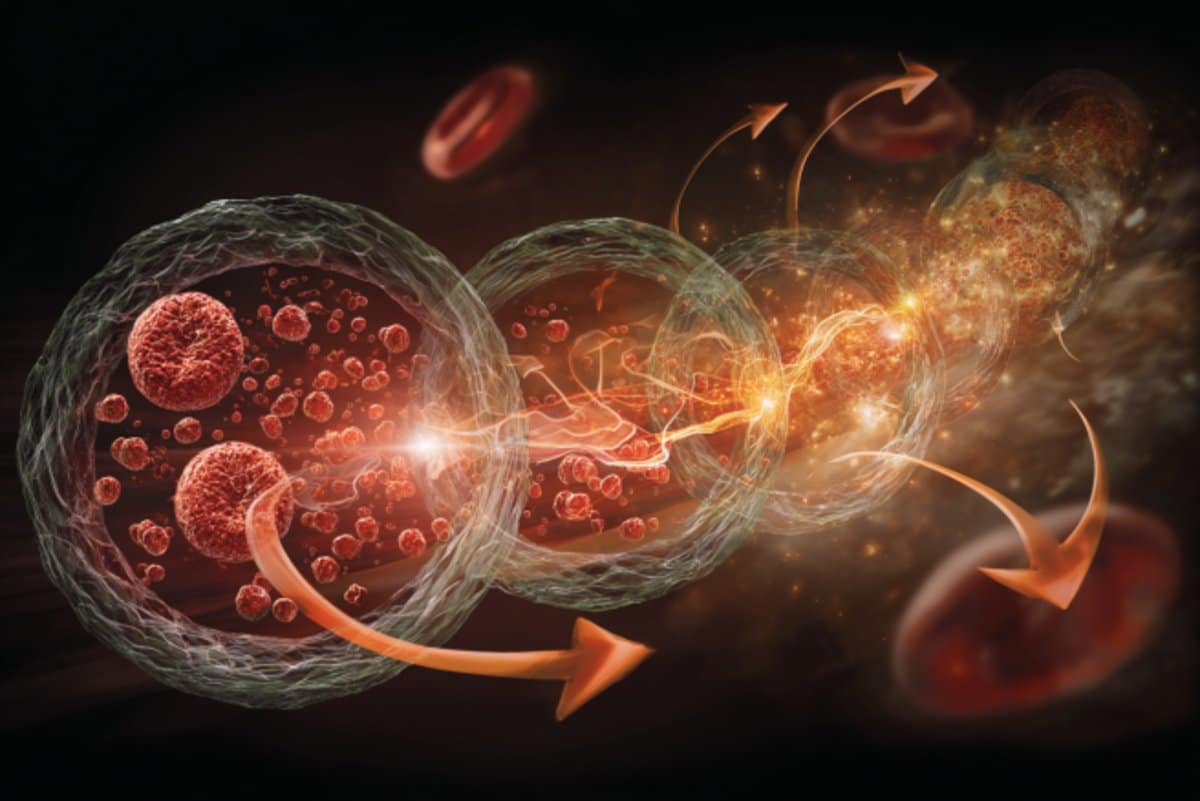
The Role of ReHMGB1
ReHMGB1 is generated by aging cells and plays a crucial role in how the body experiences aging. This protein circulates through the bloodstream and influences various biological processes, contributing to the wear and tear traditionally associated with advancing age.
"The secret of genius is to carry the spirit of the child into old age, which means never losing your enthusiasm." – Aldous Huxley
Implications for Health and Disease
- ReHMGB1's systemic presence means that aging could affect organs more previously thought.
- Aging-related diseases might receive better-targeted therapies focusing on ReHMGB1 modulation.
- The protein's redox sensitivity opens new research opportunities for antioxidative treatments.
This discovery not only offers a new framework for understanding aging but could also pave the way for innovative therapeutic strategies targeting the protein’s mechanism of action.
For those interested in the underlying biochemistry and potential treatments, anti-aging supplements on Amazon might provide synergistic benefits alongside scientific advancements.
The discovery has been highlighted in the recent publication of the Nature Journal, illustrating its potential to redefine the biological and clinical understanding of aging.
Influential scientists are keenly observing the study's implications for global health trends, considering how an aging population affects modern medicine, economy, and care systems.
Further Exploration
These revelations prompt a restructuring of how we perceive and manage aging. Profound understanding of ReHMGB1 could enable innovative applications in clinical settings. This knowledge drives not just the science and health industries but also offers a cultural shift towards a more comprehensive approach to living better, longer.
