
Jes Staley's Battle Against Ban Over Epstein Ties
The Background of Jes Staley's Controversy
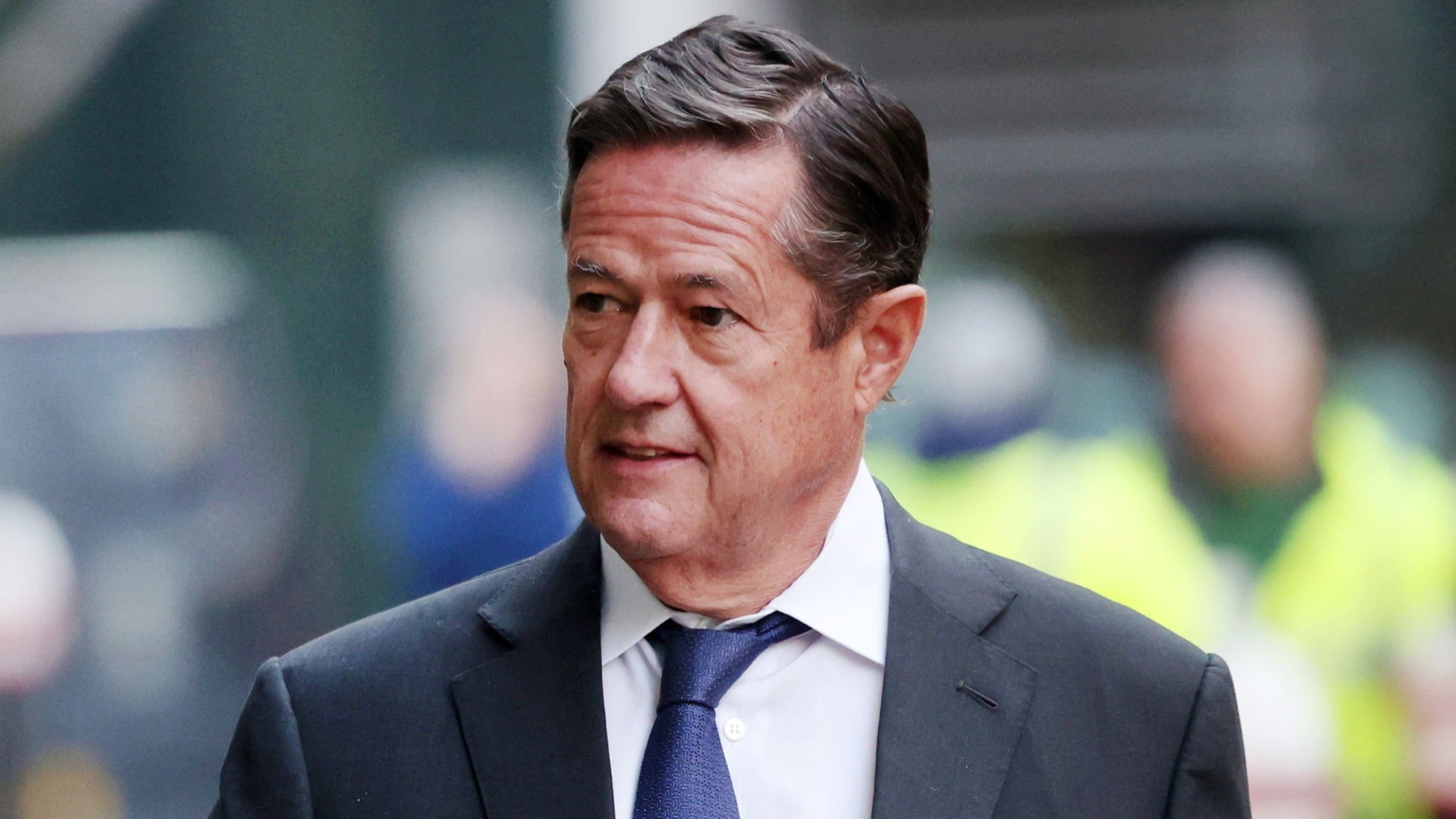
Former Barclays CEO Jes Staley found himself at the center of a legal storm as the Financial Times reported his failure to overturn a ban following his alleged association with convicted sex offender Jeffrey Epstein. The case has sparked discussions across business platforms about the extent of executive transparency and accountability.
The Judge's Ruling
The ruling indicated that Staley did not provide full disclosure about his relationship with Epstein, a fact that led to the court upholding the ban. However, his financial penalty was reduced from an initial £1.8 million, showing some leniency in light of his partial cooperation.
The Financial Implications
The trimming of Staley's fine has financial pundits speculating about its implications on executive fiscal policies. Investment analysts are keeping a keen eye on Barclays’ stock movement in the wake of this news, as market sentiment often reacts to trust issues within leadership ranks.
- Staley's past roles: LinkedIn Profile
- Epstein's alleged connections with business elites.
Public Reaction and Opinion
"Trust remains the cornerstone of executive credibility. The moment it falters, future governance is at risk," said renowned business analyst Barbara Meyers.
Public opinion has been divided, with some seeing Staley's penalties as too lenient given the potential impacts of his non-disclosure. Others argue that the reduction acknowledges his partial cooperation and past contributions to the industry.
Looking Forward: Lessons for Executives
The case highlights critical lessons for current and aspiring executives about the non-negotiable nature of personal and professional transparency. These events signal a shift in corporate governance, urging leaders to maintain unequivocal disclosure of controversial associations.
Learn more about Corporate Governance
