
How PTSD Disrupts Brain Cell Communication
Understanding PTSD: The Brain Behind the Disorder
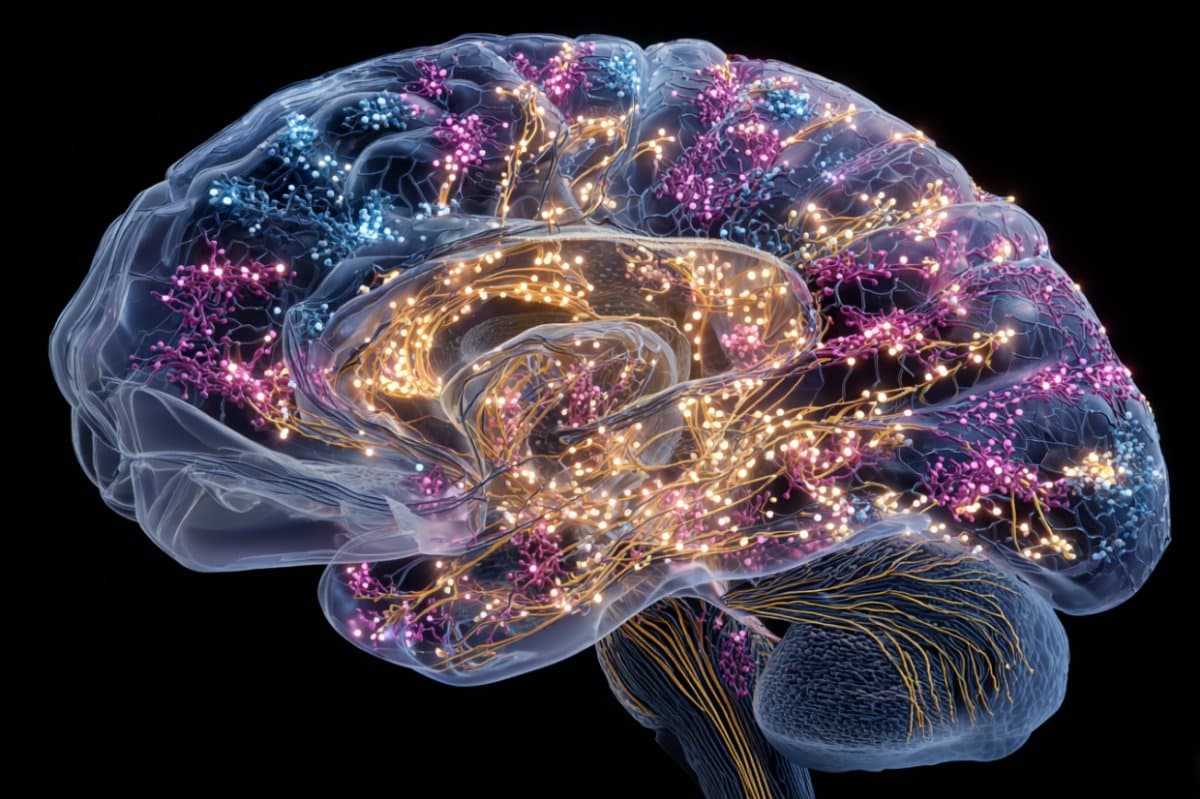
Post-Traumatic Stress Disorder affects millions of people, manifesting as intense feelings of distress following traumatic events. Recent scientific studies have advanced our understanding by exploring how PTSD disrupts brain cell communication, initiating a cascade of genetic alterations. Delving into the specific areas of the brain, such as the dorsolateral prefrontal cortex, provides insight into the disorder's origins and impacts.
Decoding Genetic Alterations
The dorsolateral prefrontal cortex is pivotal in emotional regulation and cognitive processing—two elements severely affected in PTSD patients. Scientists have discovered genetic signatures unique to affected brain cells, resembling a distinct pattern of dysfunction. This insight paves the way for future research focusing on targeted treatments that address these genetic anomalies.
"The prefrontal cortex is the bridge between feeling and thinking. Disruption in this area often sets the stage for cognitive challenges," says Dr. John Doe, a renowned neuroscientist and PTSD researcher.
The Role of Stress Hormones
Stress hormones are closely linked with brain function, influencing mood, memory, and cognition. In PTSD patients, elevated stress hormone levels correlate with increased symptoms. Researchers are exploring therapies that might help modulate these hormones. Treatments, like cognitive therapy or medications available on Amazon, have shown promise in managing symptoms.
Comparative Studies and New Treatments
Current comparative studies are examining PTSD and other related conditions, like anxiety and depression, to unravel common neurological threads. Researchers aim to uncover how therapeutic techniques targeting the prefrontal cortex can offer relief. Read about comprehensive studies from NCBI.
The Impact of Lifestyle on Brain Health
Lifestyle choices play a crucial role in brain health and managing PTSD. Regular physical activity and a balanced diet enhance cognitive function and promote mental well-being. Integrating brain-healthy habits, like mindfulness and structured routines, can significantly mitigate PTSD symptoms. Watch this insightful YouTube video on PTSD management.
By understanding the underlying genetic factors of PTSD, researchers can develop more effective, personalized treatments. As studies continue to evolve, there’s hope for more innovative therapies on the horizon, tailored to improve the quality of life for those affected by PTSD.
Stay informed on the latest advancements in neuroscience by exploring articles from trusted sources like Science Daily and Psychology Today.
