
How and When We Age: Two Rapid Aging Phases Uncovered by Science
The Phases of Rapid Aging
Research has identified that human aging accelerates notably around the ages of late twenties and late sixties. During these crucial transitional periods, the body undergoes significant biological changes that manifest externally.
Late Twenties: The First Acceleration
As individuals enter their late twenties, they often start noticing subtle signs of aging, such as fine lines and decreasing stamina. This stage marks a critical shift from the invincibility of youth to the gradual maturity of adulthood. Many experts recommend embracing a comprehensive skincare routine and a balanced diet to combat these early signs.
"Age is an issue of mind over matter. If you don't mind, it doesn't matter." – Mark Twain
For those keen on maintaining youthful vigor, products like anti-aging skin creams may offer some respite.
Late Sixties: The Second Shift
The late sixties bring about more pronounced changes; this is when skin elasticity significantly decreases, and muscle mass starts to wane. It's a period that requires attention to physical activity, mental health, and social connections to maintain overall well-being.
- Engage in regular exercise to boost muscle mass.
- Stay mentally active with puzzles and learning new skills.
- Foster social interactions to enhance emotional health.
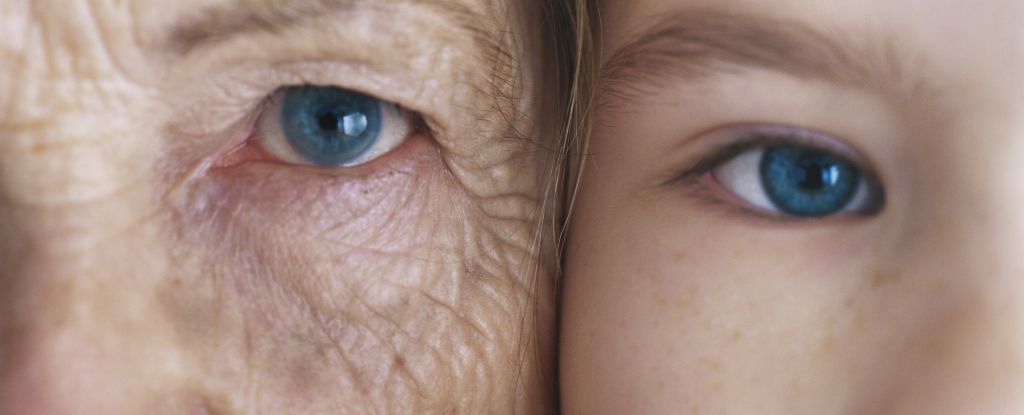
Key signs observed in rapid aging phases. Visible changes are crucial indicators in both phases.
Scientific Exploration and Future Insights
Current studies delve into the inner mechanisms of aging, seeking to elucidate the complex science behind these rapid phases. Advancements in genetics and cellular biology could pave the way for innovations, potentially altering how we experience aging in the future.
For in-depth knowledge, refer to resources like research articles on the biology of aging.
Additional Aging Factors
Beyond these phases, various factors like environmental stressors, lifestyle choices, and genetics play a pivotal role. Understanding and adapting to these elements can empower us to lead healthier, more fulfilling lives.
Consider listening to expert podcasts such as longevity and aging discussions on YouTube for further insights.
The journey of aging is universal yet unique in its manifestations. Staying informed and proactive can enhance one's journey gracefully through the late twenties, sixties, and beyond.
