
Fungal Menace: The Global Spread of a Silent Killer
The Ubiquitous Presence of Aspergillus Fungus
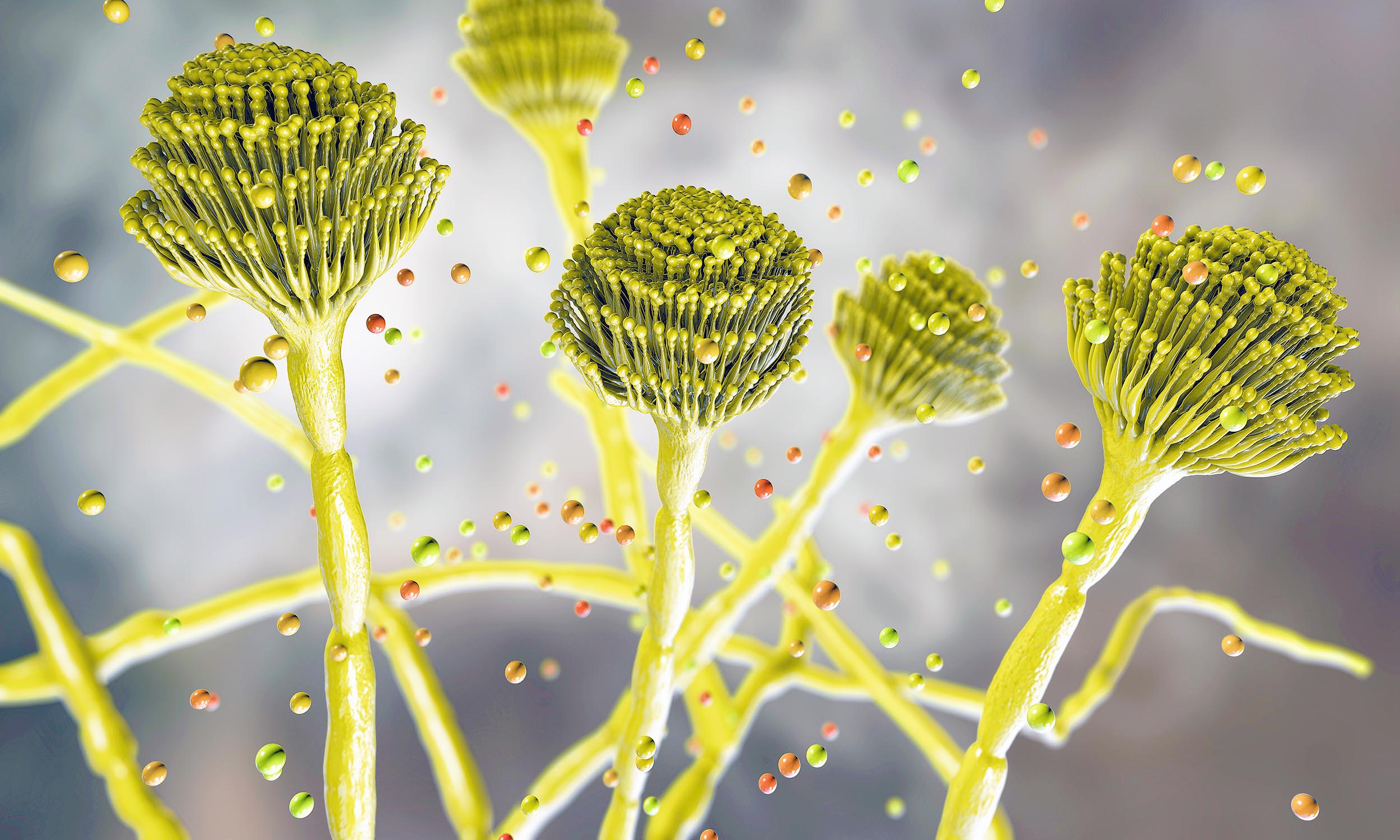
The Aspergillus fungus is a common mold found in the environment, living on soil, grains, animal feathers, and even coral skeletons. Despite its ubiquity, not all strains of Aspergillus are harmful. However, certain types, like Aspergillus fumigatus, can lead to severe infections, especially in individuals with weakened immune systems.
How the Fungus Spreads
Every day, we inhale countless spores of Aspergillus without even realizing it. While most spores pass through our system harmlessly, some can trigger infections that are challenging to treat. The fungus's resilience and adaptability make it a formidable adversary, as its genome readily adjusts to new environmental pressures.
"The increasing resistance of fungi like Aspergillus fumigatus to antifungal medications poses a significant public health challenge," warns a leading microbiologist. "Immediate action is needed to mitigate its impact."
The adaptability of Aspergillus is like no other, allowing it to survive and proliferate under various conditions. This characteristic is fueling its rapid spread, prompting scientists to explore innovative approaches to manage its growth.
Global Health Implications
Nations worldwide are beginning to recognize the potential threats posed by this fungus. With its spread, the medical community is bracing for an increase in pulmonary infections, which can severely compromise respiratory health. In extreme cases, the fungus may cause systemic infections, proving fatal if not promptly addressed.
- Risk Factors: Immunocompromised individuals, such as cancer patients.
- Symptoms: Persistent cough, fever, chest pain.
- Prevention: Improved indoor air quality, use of HEPA filters.
Ongoing Research and Innovations
Research institutions are intensifying efforts to uncover new treatment strategies. This includes the development of more effective antifungal drugs and enhanced diagnostic tools to detect Aspergillus infections early. Collaborations between academia, industry, and healthcare systems are crucial in these endeavors.
For more insights, explore this fascinating read on fungal biology.
Expert Opinions and Future Directions
Prominent researchers emphasize the importance of a robust global response to combat Aspergillus infections. By understanding the genetic mechanisms that confer resistance, scientists hope to thwart the fungus’s adaptive evolution.
Noted epidemiologist Dr. Jane Doe commented on social media: "Our battle against pathogenic fungi like Aspergillus is far from over. Continuous innovation and global cooperation are vital to secure public health." Visit her LinkedIn post for an in-depth discussion.
Additional Resources and Related Readings
Eager to learn more? Check out our comprehensive article on fungal diseases by the CDC and other interactive discussions on YouTube.
Staying informed and vigilant is crucial as this burgeoning health issue continues to evolve. As more resources and research come to light, staying ahead of fungal threats remains a global priority.
