
Democratic Senator Challenges Defense Secretary on Orders to Shoot Protesters
The Debate on Military Orders
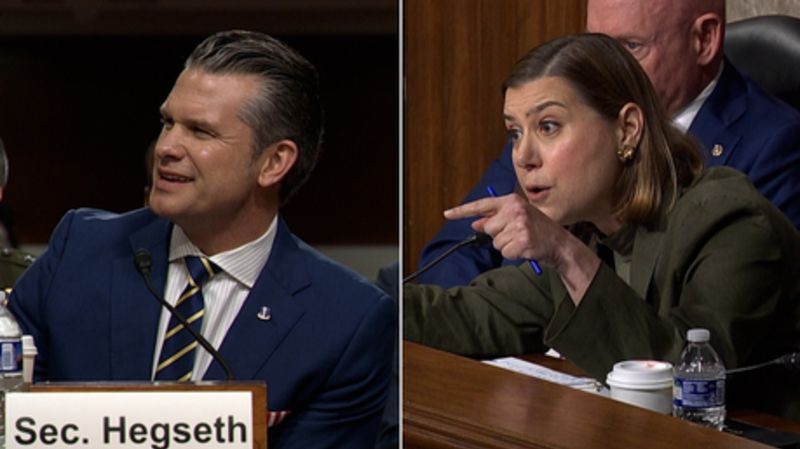
During a session of the Senate Armed Services Committee, a significant debate unfolded between Defense Secretary Pete Hegseth and Democratic Sen. Elissa Slotkin of Michigan. The focal point was whether Secretary Hegseth would adhere to hypothetical orders from then-President Donald Trump to take military action against American citizens engaged in protests. This scenario raises serious ethical and constitutional dilemmas concerning military obedience and the boundaries of executive orders.
Constitutional Implications and Ethical Quandaries
The Constitution and the Uniform Code of Military Justice (UCMJ) guide military conduct regarding enforcement orders. Such a directive, targeting American citizens, could lead to an intense ethical debate about the limits of military obedience. Slotkin, who previously served in the CIA, emphasizes the importance of safeguarding civil liberties against authoritarian misuse of military power.
"The military takes an oath to uphold the Constitution, not the orders of the president, particularly when such orders conflict with American values," notes a constitutional law professor.
Would soldiers follow orders perceived as unjust or unconstitutional? This debate highlights potential rifts between military ethics and executive power.
Past Precedents and the Lessons Learned
Historical events, such as the Kent State shootings in 1970, provide a somber reminder of the potential consequences of military involvement in civic unrest. These incidents underscore the necessity of clear rules of engagement and the critical evaluation of orders that may endanger civilian lives.
- Kent State shootings of 1970
- The Posse Comitatus Act limitations
- Debate on civil-military relations
For further reading on civil-military relations, consult this Brookings Institute report.
Public Reaction and Political Ramifications
The public and political figures have responded vigorously to this debate. Many citizens express concern over the potential militarization of civic spaces, emphasizing the importance of peaceful protest and civil rights. The implications of such discussions extend into political arenas, influencing voter perceptions and candidate platforms.
Books exploring military ethics and political strategy have seen an uptick in popularity amid these discussions.Conclusion or Future Outlook
As the political landscape evolves, the dialogue regarding the role of the military in civil matters remains a pivotal issue. Continuous engagement from both the public and lawmakers is essential to influence policy and uphold democratic values.
Join the conversation and follow updates from Sen. Elissa Slotkin as she continues to advocate for transparency and responsibility in military commands.
