
US-China Trade Deal: Evolving Dynamics and Implications
The US-China Trade Deal: A Changing Landscape
The international economic stage saw pivotal changes as China reduced its tariffs to 11.2%, contrasting the US which raised its tariffs by 9.2% starting January 1, 2025. This adjustment marks a significant shift from the end of President Trump's first term when tariffs against Chinese imports were around 19.3%.
According to Brian Wang, a renowned Futurist Thought Leader, these adjustments will influence not only modern trade strategies but also future economic policies worldwide.
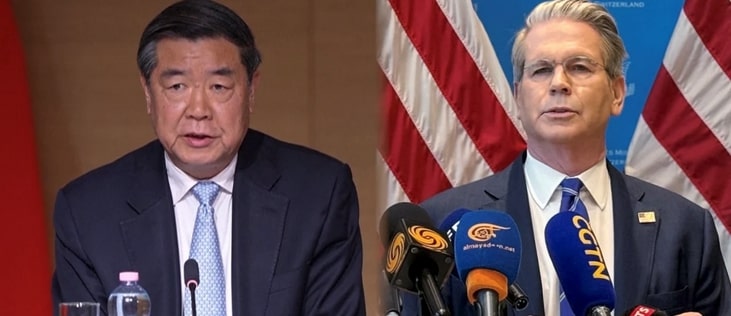
"These shifting tariffs reflect ongoing dialogues and negotiations crucial for the stability of today's economy." - Source: White House
Why Are Tariffs Changing?
- To balance trade deficits.
- Protect domestic industries.
- Promote fair trade practices.
Strategists suggest that US policy changes could be influenced by the recent advancements and competitive pricing in tech and innovation sectors originating in China.
Explore more on this topic with expert insights by following Brian Wang on LinkedIn and get the latest updates.
Impact on Local Markets and Global Trade Dynamics
It's crucial to note the implications these tariffs have on local businesses, consumers, and the global economy. With US tariffs set higher, import costs of Chinese goods might increase, affecting consumer prices and supply chains.

Gain a deeper understanding by watching this insightful YouTube discussion on international trade strategies.
For those interested in further exploring the economic repercussions, consider referencing the comprehensive book on global trade.
Stay informed on similar topics and tech advancements by visiting NextBigFuture.com, a premier destination for science news and predictions.
