
Understanding the Other-Race Face Blindness: A Neuroscience Perspective
Understanding the Other-Race Effect
The Other-Race Effect (ORE) is a well-documented psychological phenomenon highlighting an individual's propensity to recognize and recall faces of their own race more effectively than those from different races. This bias can lead to significant implications in multicultural societies, impacting areas from social interactions to criminal justice.
Research and Methodology
Utilizing cutting-edge technology, researchers have integrated artificial intelligence with electroencephalography (EEG) to delve into the brain's workings during facial recognition tasks. This innovative approach provides intricate data on how neural processes vary when individuals identify faces from their own race compared to others.
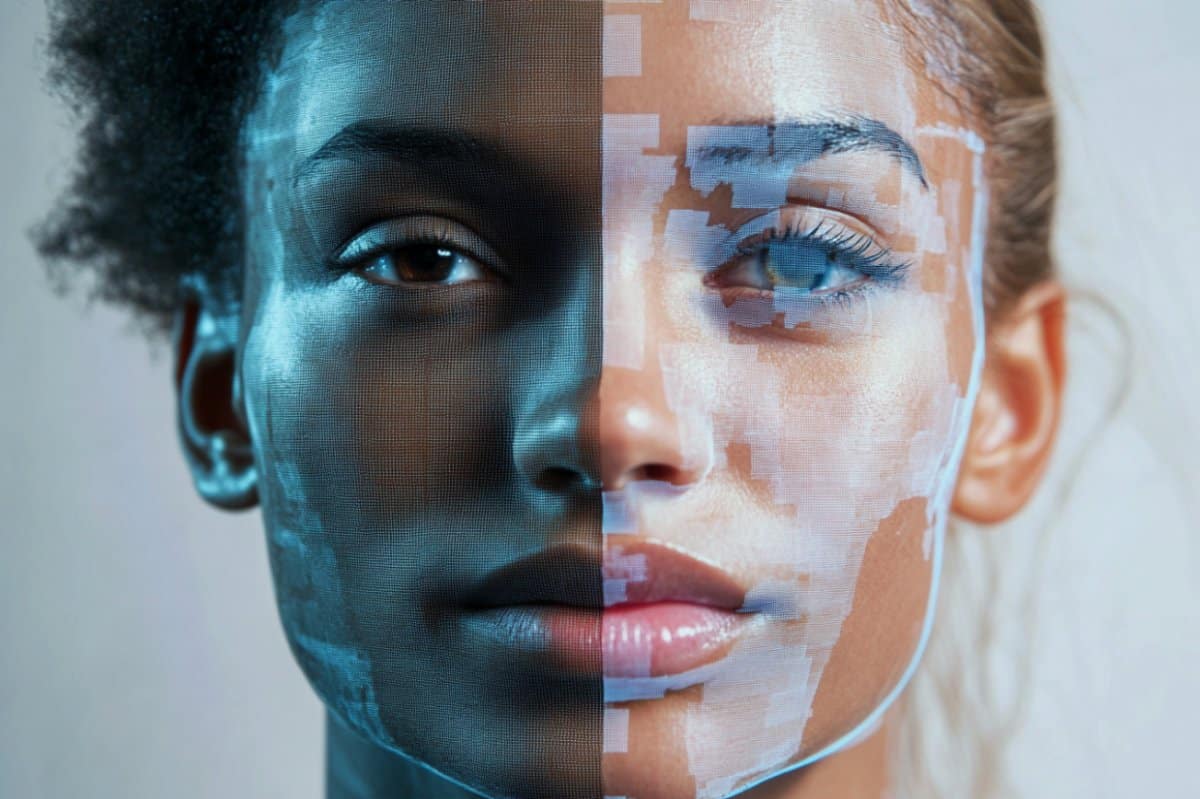
Neural Processing Gaps
The study revealed distinct neural patterns that potentially explain why people are more adept at recognizing faces from their own race. These patterns indicate that the brain's familiarity with certain features plays a crucial role in perception efficiency, emphasizing the importance of exposure and experience in combating racial biases.
"The brain is wider than the sky." - Emily Dickinson
Implications and Future Directions
- Educational programs focusing on multicultural exposure.
- Improving automated systems for unbiased facial recognition.
- Psychological interventions to reduce racial bias in cognition.
These findings hold promise for future research and practical applications in creating more inclusive and equitable societal structures. For more insights, check this detailed study.
Integration of AI in Cognitive Psychology
The intersection of AI and cognitive psychology opens uncharted territories for understanding mental processes. This collaboration provides nuanced perspectives and fosters technological advancements, such as AI models that emulate human recognition abilities without racial bias.
For an engaging discussion on AI's role in modern psychology, visit this YouTube video featuring leading researchers in the field.
Final Thoughts
Understanding the Other-Race Effect not only aids in bridging cognitive gaps but also fosters empathy and social harmony. As research progresses, the integration of AI in neuroscience continues to unveil the complexities of human cognition, pointing towards a future where technology and humanity coexist harmoniously.
Explore more about cognitive neuroscience with books available on Amazon that delve deeper into the subject.
