
Ultra-Processed Foods: A Silent Threat to Infant Gut Health
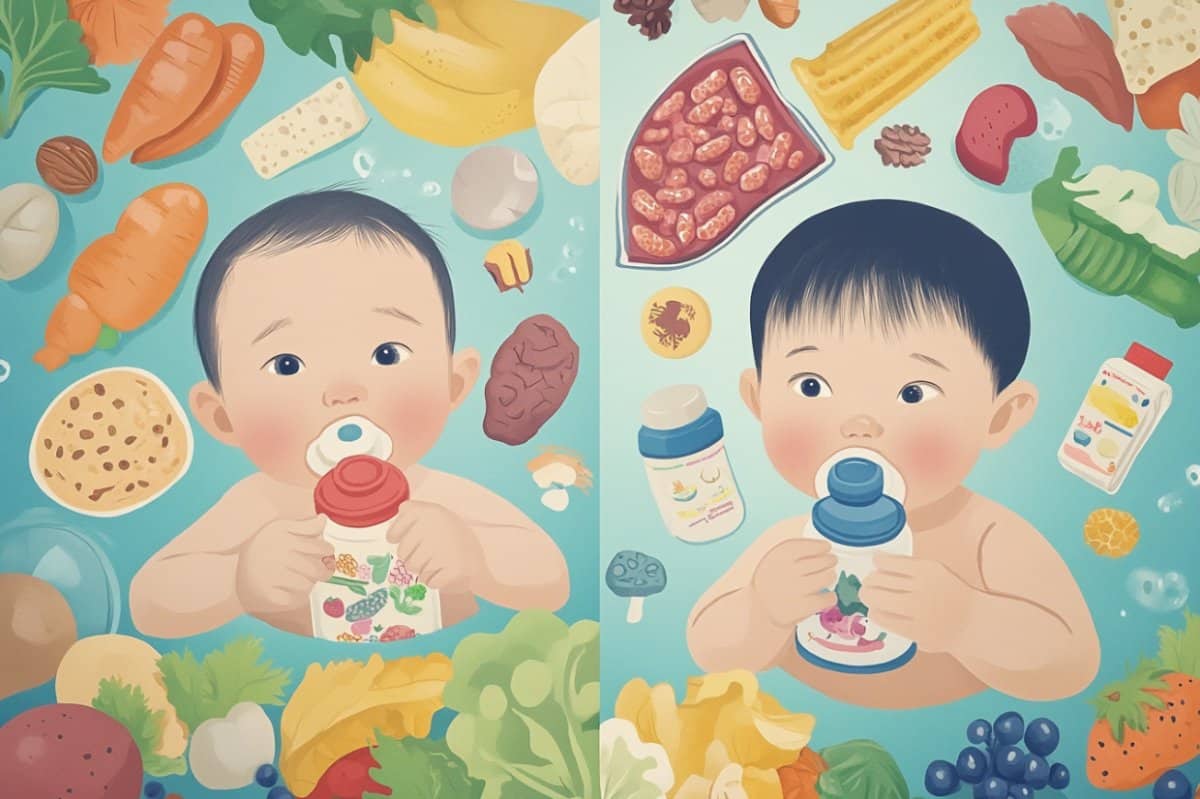
As parents seek convenient nutritional solutions, the rise in consumption of ultra-processed foods is an undeniable trend. Yet their effect on the infant gut microbiota – a crucial component of health and immunity – demands critical examination.
The Science Behind Gut Microbiota Disruption
Dr. Rita Borges, an eminent microbiome researcher, emphasizes, “The early years of life are vital for the establishment of a mature and diverse gut microbiota, essential for good health.” The study reveals how ultra-processed foods, often high in sugars and artificial additives, reduce the diversity of gut microbiota.
Study Findings
- Infants consuming ultra-processed foods exhibited significantly less gut microbiota diversity.
- The negative impact was most profound in non-breastfed infants.
- Breastfed infants showcased a robust microbiota profile despite exposure to processed foods.
"Investing in a child's microbiota is an investment in their lifelong health," shared Dr. Borges in an interview with LinkedIn.
Understanding Ultra-Processed Foods
Ultra-processed foods encompass products such as sodas, sweetened drinks, packaged snacks, reconstituted meat products, and sugary breakfast cereals. These are engineered for taste and convenience but often lack essential nutrients, being packed instead with sugar, fats, and salt.
Shop healthy food alternatives for infantsThe Importance of Breastfeeding
Breastfeeding remains the gold standard for infant nutrition due to its comprehensive benefits. As the study suggests, breastfeeding helps maintain microbial diversity, offering resilience against adverse dietary impacts.
Read more on breastfeeding guidelines by WHOSteps for Parents to Take
- Opt for whole, unprocessed foods as much as possible, focusing on fruits, vegetables, and whole grains.
- Prioritize breastfeeding where possible to nurture gut health.
- Read labels carefully to avoid added sugars and unhealthy additives in packaged foods.
- Consult pediatricians to tailor nutritional plans based on individual infant needs.
For assistance in developing a nutritious diet plan, consider watching this informative YouTube video by a renowned dietitian.
The topic of infant gut health is gaining traction not only in research but across parenting platforms worldwide. As new findings emerge, it becomes essential for policymakers to consider guidelines and public awareness campaigns that promote healthier dietary practices from infancy.
