
Type 2 Diabetes and Brain Health: A Closer Look at Recent Findings
Understanding the Link Between Type 2 Diabetes and Brain Structure
The connection between type 2 diabetes and brain health is a topic of increasing scrutiny. A recent study has advanced our understanding by illustrating how this chronic condition might contribute to the thinning of the brain's cortex. This cortical thinning, particularly in areas associated with memory and cognitive functions, could have profound implications for how we address diabetes management.
The Science Behind Cortical Thinning
Using advanced brain imaging technologies, researchers have pinpointed cortical thinning in several key areas of the brain among older adults with type 2 diabetes. These findings raise important questions about how chronic, unmanaged diabetes might exacerbate cognitive decline and potentially accelerate the onset of conditions like dementia.
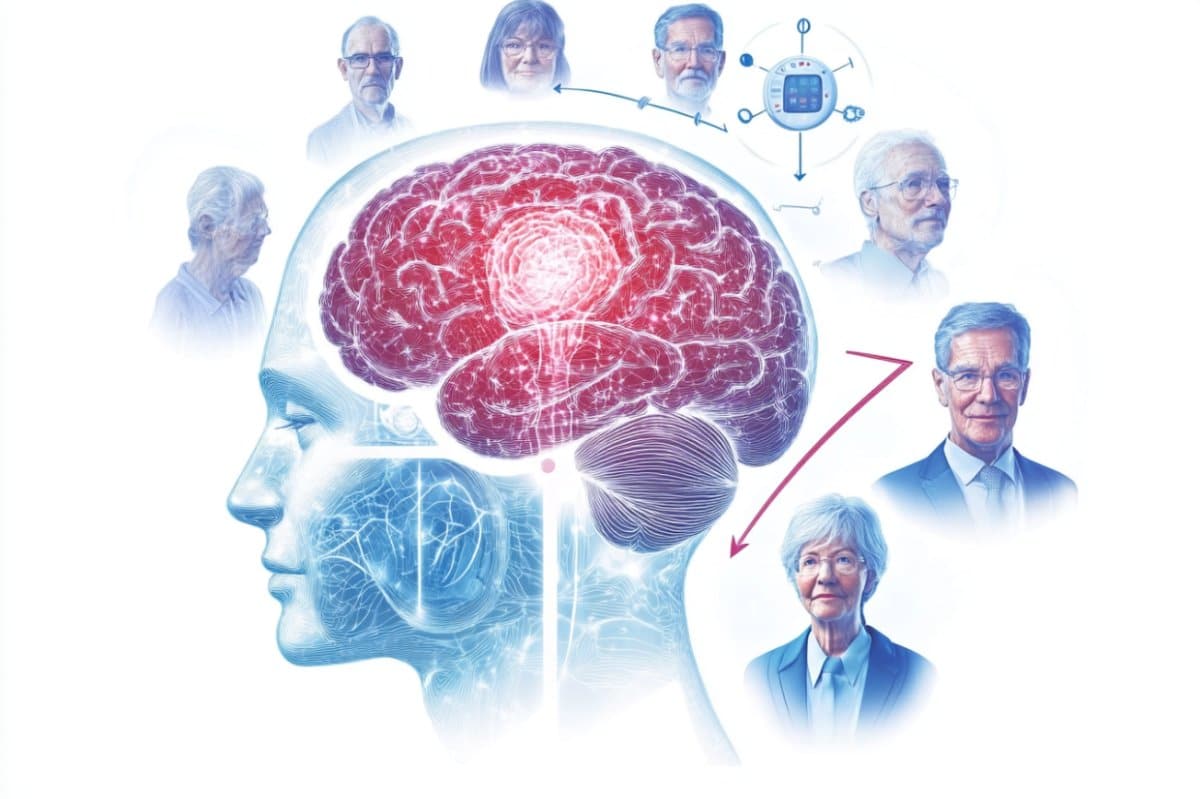
“The human brain is by far the most complex physical object known to us in the entire cosmos.” - Owen Gingerich
Implications for Diabetes Patients
For those managing type 2 diabetes, awareness is key. Understanding potential neurological impacts can help guide lifestyle changes and medical interventions. Patients are encouraged to engage in activities that promote cognitive health, such as participating in memory games or adopting a brain-healthy diet, which are essential for maintaining overall well-being.
Further Reading and Resources
- Read the full study on cortical thinning and diabetes
- Follow the latest updates from @Neuroscience Twitter
- Explore dietary supplements that may support brain health, such as this popular memory enhancement supplement
Data from numerous studies, including Diabetes.org, highlight the growing prevalence of diabetes globally. It's essential for both patients and healthcare providers to stay informed about the multiple facets of this condition to optimize care and treatment options.
This revolution in understanding also brings hope — leading to potential breakthroughs in treatment and care strategies. As we continue to explore the profound connections between our metabolic health and brain function, the landscape of diabetes management transforms, offering new avenues for maintaining a high quality of life.
