
Tariffs Slam Ports, but a Surge Could Loom
The Current State of US Ports
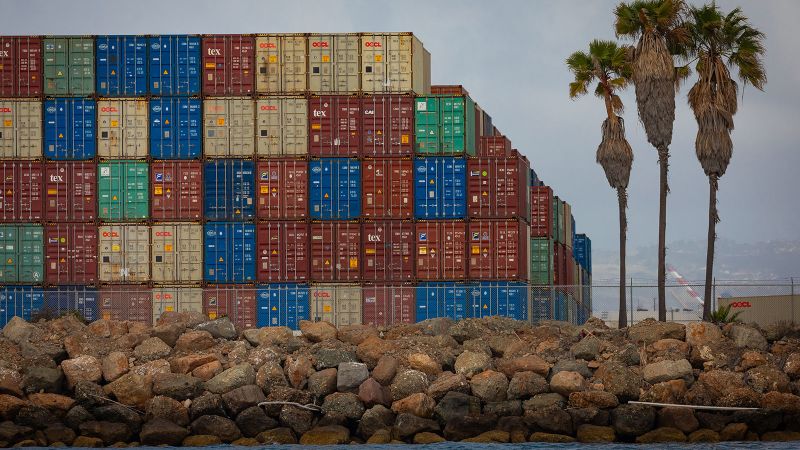
As trade tensions escalate, US ports are experiencing a significant decrease in cargo volumes. This comes on the heels of heightened tariffs imposed on imports from major trade partners such as China. Starting this week, a 30% tariff affects outbound cargo from China to the United States, further straining the channels of trade and crippling operations at major American ports.
Possible Surge: From Calm to Chaos?
Despite the current lull, experts project that a surge could be on the horizon. The lingering uncertainty has driven businesses to engage in stockpiling practices. With an eye towards stability in supply chains, companies may soon flood the ports with cargo to avoid potential future disruptions. This impending surge is poised to create logistical challenges, impacting port authorities and related industries.
"In times of crisis, preparation is key. Those who anticipate and act will have the upper hand in turbulent economic waters." – Warren Buffett
Impact of Tariffs on American Businesses
The effects of heightened tariffs are being felt far and wide across various sectors. From increased costs for raw materials to postponed production schedules, the repercussions are profound and multifaceted. Businesses are finding themselves stuck between a rock and a hard place, where they must weigh the risk of uncertain market conditions against the immediate financial lifeline, perhaps considering market research or diversifying their supply chain.
- Increased costs leading to higher product pricing
- Disrupted supply chains affecting production timelines
- Potential layoffs as businesses find ways to cut costs
Read more about the economics of tariffs to understand the broader implications.
Navigating Uncertainty: Potential Solutions
As ports brace for a possible surge, attention turns to potential strategies that could alleviate strain. Investments in automation, expansion of port capabilities, and improved regulatory frameworks are seen as viable solutions to cope with fluctuating cargo volumes. Companies are encouraged to maintain flexible supply chains and adopt innovative technologies to stay ahead of the curve.
In an era where global trade is increasingly complex, the events unfolding at US ports highlight the essence of adaptability and forward-thinking strategies. For a deeper dive into how businesses can navigate tough economic times, consider checking out LinkedIn discussions or read expert insights on thriving during economic downturns.
