
Stagflation Threats: Jamie Dimon's Stark Warning for the U.S. Economy
Understanding Stagflation: A Complex Economic Challenge
Stagflation is an economic condition characterized by slow economic growth, high unemployment, and rising prices—a troubling scenario that many economies aim to steer clear of. Jamie Dimon's recent remarks underscore concerns about its potential resurgence in the United States, primarily fueled by substantial government budget deficits and tariff-driven trade disruptions.
The Role of Government Budget Deficits
Government budget deficits occur when expenses exceed revenues, often leading to increased borrowing and potential inflation. In the U.S., these deficits have grown significantly, raising alarms about long-term economic stability. Could an extended period of large deficits trigger a stagflation crisis?
"Persistent budget deficits and lack of fiscal responsibility can have severe implications for economic stability and growth." – International Monetary Fund
Trade Disruptions: A Global Economic Wrecking Ball
The global economy is interlinked, and trade disruptions can have cascading effects on economic stability. U.S. tariffs, designed initially to protect domestic industries, have unintentionally disrupted international trade relations. As tariffs drive up costs, businesses might pass these increases onto consumers, exacerbating inflationary pressures.
"Increased tariffs can slow global trade, leading to reduced growth and higher prices for consumers." – World Bank
Key Figures Highlighting the Stagflation Concern
- U.S. Budget Deficit: Exceeded $3 trillion over the past fiscal year.
- Tariff Impact: Increased cost burden on U.S. importers by over $80 billion annually.
- Inflation Rate: Occasionally reaching 6%, far above the 2% ideal.
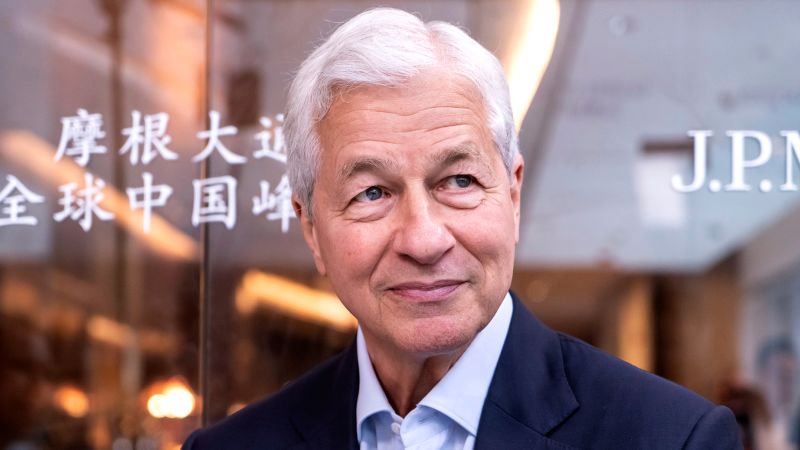
Image: JPMorgan Chase CEO Jamie Dimon
Potential Pathways to Mitigate Stagflation Risks
To counter potential stagflation, several strategies could be considered. Balancing the fiscal budget and seeking alternative, less disruptive tariff policies could steer the economy away from stagflation scenarios. Additionally, investing in green technologies and infrastructure projects might also provide new avenues for sustainable growth.
Check out more insights from economic experts on LinkedIn and YouTube.
An Opportunity for Investors?
Considering Jamie Dimon's insight, investors are evaluating potential adjustments to their portfolios. Diversified investments in emerging markets and commodities like gold may provide a hedge against inflationary pressures. Experts recommend exploring asset classes that traditionally perform well under inflationary conditions.
Conclusion: Vigilance and Strategic Planning
While no definitive conclusion exists, Jamie Dimon's warning highlights the need for vigilance and strategic economic planning. By understanding and preparing for potential stagflation, policymakers and investors can navigate the uncertainties of the global economic environment more effectively.
