
Long COVID Brain Fog Linked to Inflammation
The Lingering Effects of Long COVID
The COVID-19 pandemic has not only changed the way we live, but it has also left lasting impacts on those who have contracted the virus. Many individuals report ongoing issues such as fatigue, shortness of breath, and the elusive "brain fog." This condition encompasses memory lapses, difficulty concentrating, and an overall decline in mental acuity that continues well after the initial illness has subsided.
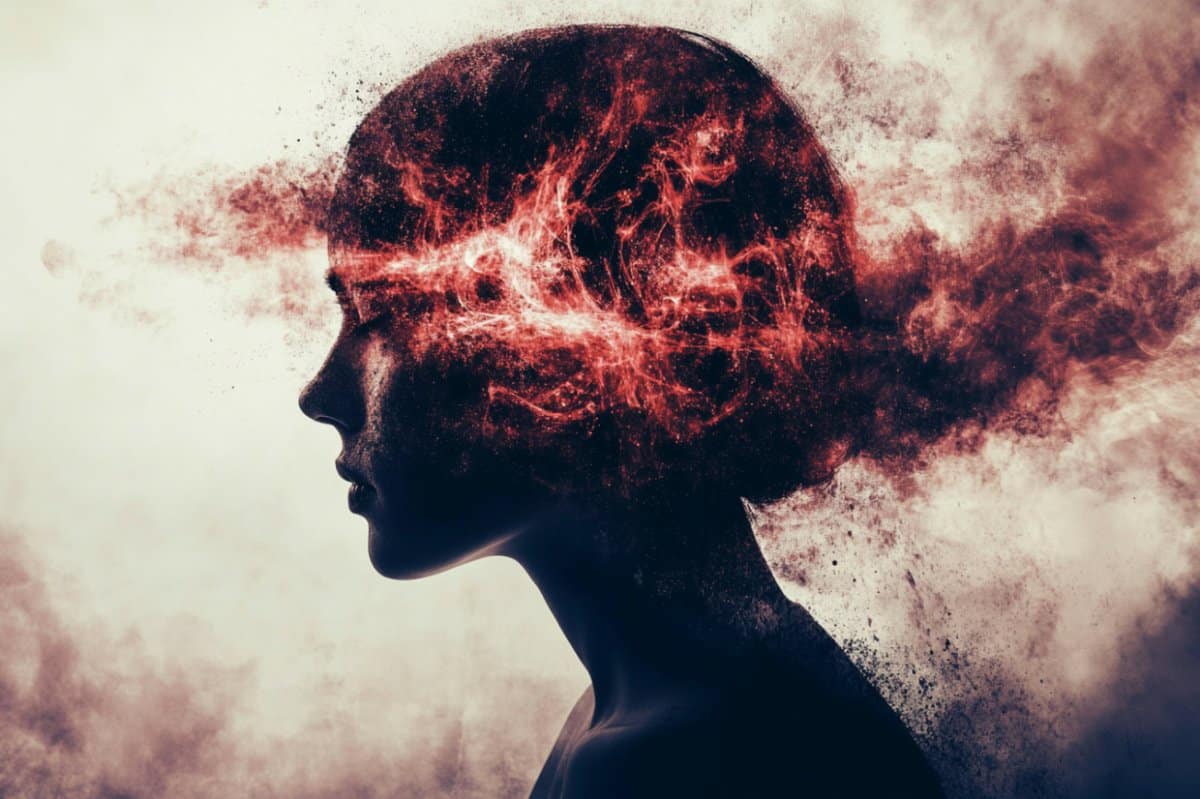
Recent research conducted by Neuroscience News has compared two groups: individuals suffering from long COVID and those who have fully recovered. An illuminating finding from the study suggests a correlation between those experiencing persistent cognitive symptoms and higher levels of brain inflammation.
Stress: A Compounding Factor?
Another critical component of the study highlights how stress management plays a role in exacerbating cognitive symptoms. Those battling long COVID show a decreased capacity to handle stress, possibly intensifying their condition.
"Stress is not what happens to us. It's our response TO what happens. And response is something we can choose." – Maureen Killoran
Understanding Inflammation's Role
Inflammation is a natural body response, often enacting as a defense mechanism. However, in long COVID patients, the study points towards excessive inflammation in the brain — potentially hindering neuronal function and contributing to the experience of brain fog. This finding marks a pivotal moment in understanding both the etiology and potential treatment pathways for long COVID symptoms.
Emerging Research and Treatments
As studies unravel more about long COVID's lasting impact, potential interventions are also coming to light. Emphasizing the importance of early diagnosis and targeted therapy can significantly enhance recovery pathways. Current research efforts are focused on developing treatments that address the inflammation at its root, potentially overseeing a new era in how post-viral syndromes are managed.
Taking Preventive Measures
- Engage in regular, gentle exercise to stimulate brain health.
- Ensure adequate sleep to facilitate natural brain healing processes.
- Pursue mindfulness techniques such as meditation to improve stress resilience.
For Further Understanding
For more detailed analysis, refer to the full study at Neuroscience News. Additionally, watch this informative video on long COVID brain impacts.
The Path Forward
While scientists continue to dissect the implications of these findings, patients and communities alike must emphasize the importance of supporting mental health. This endeavor signifies that combating long COVID is not merely about healing the body but nurturing the mind.
