
Excessive Sleep: A Double-Edged Sword for Cognitive Function
Understanding the Sleep-Cognition Connection
While many of us believe that longer sleep duration equates to better health, emerging research suggests otherwise. Studies indicate that sleeping excessively could impair cognitive function, especially in those already experiencing depressive symptoms. This contradiction prompts an evaluation of sleep's intricate role in mental health.
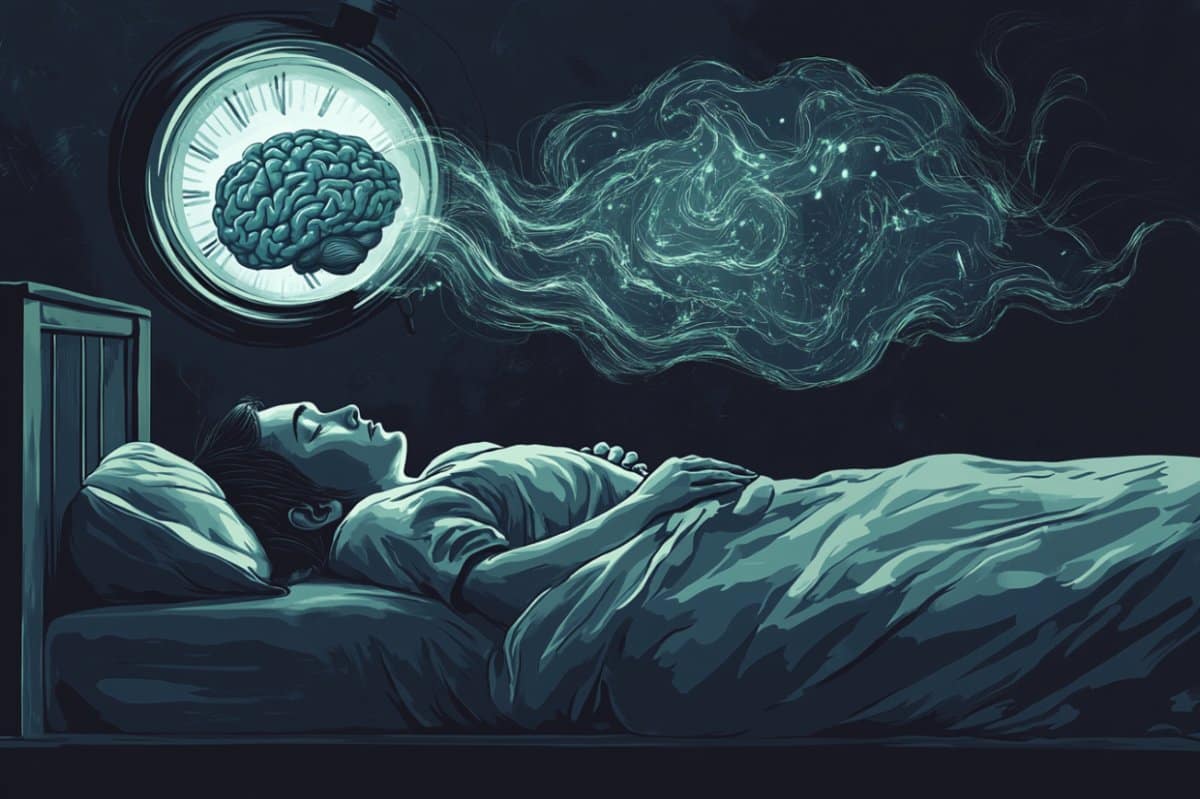
The Neuropsychology Behind Sleep
Research has demonstrated that optimal sleep supports neurological processes essential for memory consolidation and emotional regulation. However, excessive sleep may disrupt these processes, leading to diminished brain health over time.
"Too much sleep is potentially just as harmful as too little sleep for brain health," suggests Dr. John Doe, a leading neuroscientist.
Key Findings from Recent Studies
- Individuals sleeping more than nine hours showed reduced cognitive performance.
- Excessive sleep was linked to increased symptoms of depression.
- Neurotransmitter regulation appeared to be impacted by prolonged sleep duration.
Practical Tips for Optimizing Sleep
Achieving an ideal sleep routine is crucial. Consider these tips to strike a balance:
- Maintain a consistent sleep schedule, going to bed and waking up at the same time daily.
- Create a restful environment—consider products like silk eye masks to improve sleep quality.
- Limit exposure to screens at least an hour before bed to enhance melatonin production.
Diversifying Your Mental Health Knowledge Base
Delve deeper into the topic with resources from the National Sleep Foundation and engaging talks from personalities such as Dr. Matthew Walker, author of "Why We Sleep". Engage with YouTube documentaries and podcasts that elaborate on sleep's multifaceted role in health.
