
Discover How Surprises Trigger Brain Prediction Errors
Understanding Prediction Errors
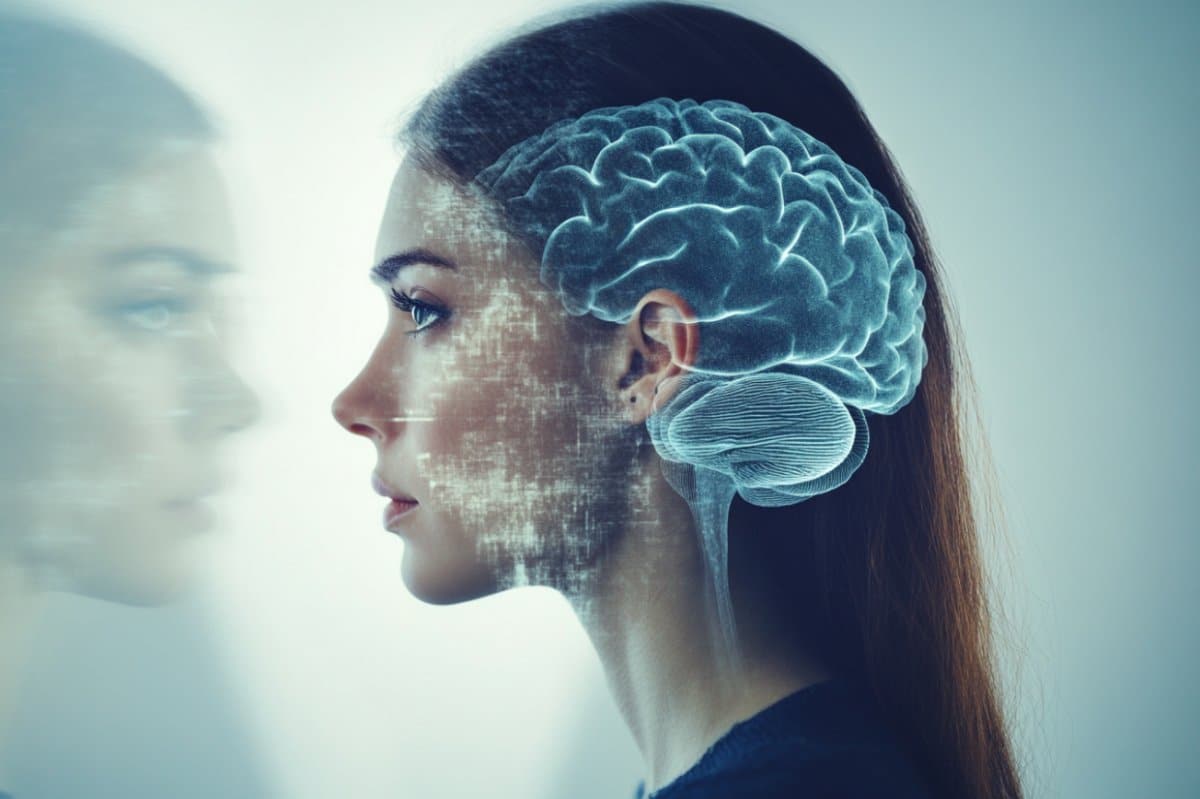
In recent years, a growing body of research has illuminated the brain's reliance on prediction as a fundamental cognitive function. Prediction errors occur when the brain's expectations differ from actual sensory input, resulting in a cascade of cognitive recalibrations. This response manifests not only visually but also audibly, as recent experiments have begun to show.
The Neuroscience Behind Surprises
The brain's prediction mechanisms are rooted deeply in its architecture. These processes enable efficient functioning by anticipating incoming information, thus conserving cognitive resources. The act of encountering a surprise involves a reset—or an update—to the brain's internal model.
“The brain is the most efficient prediction machine ever known, constantly learning and refining itself.” — Dr. Lisa Feldman Barrett, renowned neuroscientist.
Visual and Auditory Prediction Models
While early research emphasized vision, auditory surprises are equally telling. For instance, sudden, unexpected sounds trigger similar prediction errors as seen in optical stimuli. This expands our understanding of sensory processing and its impact on human behavior.
Implications for Education and Technology
Recognizing the role of prediction errors can revolutionize educational strategies and technological designs. Emphasizing surprise in learning modules can enhance engagement and retention. Similarly, adaptive technologies can utilize these insights to customize user experiences.
- Enhanced learning tools using unexpected insights
- Personalized auditory and visual software interfaces
- Predictive algorithms in AI systems
Consider exploring products related to brain training and cognitive enhancement on Amazon for practical applications of prediction error research.
Further Exploration and Resources
To explore more on this fascinating aspect of neuroscience, consider these research papers or delve into insightful YouTube discussions on the subject. Renowned personalities like Dr. Lisa Mosconi and others frequently discuss the predictive brain on their Twitter accounts.
Ultimately, the notion of surprise influencing brain function emphasizes the importance of maintaining cognitive flexibility. This dynamic interplay within our neural circuits keeps the brain not only reactive to immediate environments but also perpetually adaptive in the face of change.
