
Cerebras WSE3 vs. Nvidia B200: The AI Battle Heats Up
The Powerhouses of AI: Cerebras WSE3 and Nvidia B200
The tech industry is buzzing with advancements in AI chip development. With Cerebras launching new data centers and Nvidia's persistent strides in AI processing, competition is fierce. Cerebras's new initiative aims to increase their inference capacity significantly with their technological prowess, a move that many anticipate will redefine AI computations. Nvidia, on the other hand, has been a stalwart in AI technology, constantly evolving their B200 series to meet the needs of modern AI applications.
What Sets Cerebras WSE3 Apart?
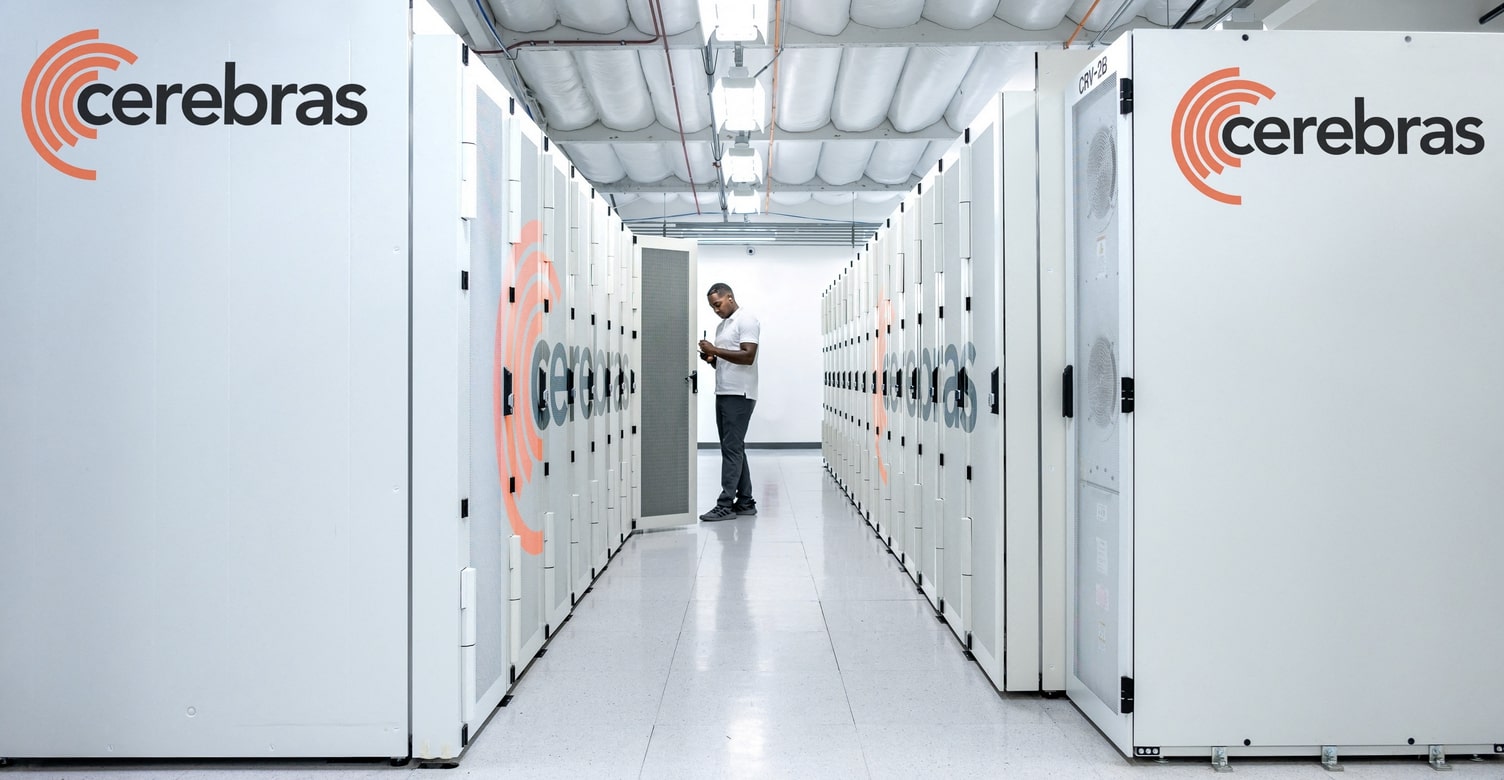
The Cerebras WSE3 is the largest AI processor in existence, dwarfing its competition with unmatched performance capabilities. Its architecture allows for seamless and efficient data processing, capable of handling complex AI models with ease. The introduction of six new data centers marks an unprecedented scaling opportunity, with a significant increase in token processing capacity that brings more computational power within reach.
"The future of AI depends on scalable, efficient computing solutions, and Cerebras is at the forefront of this revolution." - [Insert relevant tech personality]
Nvidia B200: Consistency and Innovation
Known for their reliability and innovative design, Nvidia's B200 GPUs have been a staple in AI development. While Cerebras is expanding through hardware scaling, Nvidia continues to focus on improving their GPU architecture for better efficiency, speed, and AI model compatibilities. This consistent innovation ensures that Nvidia maintains its competitive edge in the highly competitive field of AI technology.
A Side-by-Side Comparison
- Processing Power: Cerebras WSE3 outshines with larger scale and token capacity, while Nvidia B200 offers refined GPU power and flexibility.
- Efficiency: Cerebras leverages its large-scale processors for extensive AI computations, versus Nvidia's optimized GPU approach for adaptive application.
- Scalability: Cerebras adds physical infrastructure with new data centers, providing out-of-the-box scaling; Nvidia’s approach is rooted in optimizing chip technology.
Real-World Applications
Both Cerebras and Nvidia have paved the way for significant advancements in AI-dependent industries. From healthcare to automotive, AI-driven technology solutions are on the rise, with both companies playing pivotal roles. Cerebras’s increased token capacity is anticipated to support larger datasets and faster processing times, beneficial for industries like autonomous driving and real-time data analysis. Meanwhile, Nvidia's GPU heritage holds sway in computer gaming, simulation, and AI for smart city solutions.
Explore [Amazon](https://www.amazon.com/s?k=AI+technologies&linkCode=ll2&tag=currenttre04f-20&linkId=267bd924da26b6db10d01e8be3f947db) for AI tools and accessories.
Future Developments on the Horizon
As we look into the future, the question remains: Who will dominate the AI landscape—Cerebras with its colossal WSE3, or Nvidia with its relentless GPU innovations? Either way, advancements from both companies are likely to spur further AI breakthroughs. The Cerebras-Nvidia dialogue, through their respective advancements, serves as a roadmap to what the future holds for AI dynamics.
Stay updated with the latest advancements by following industry discussions on [LinkedIn](https://www.linkedin.com) and popular media sites like [TechCrunch](https://www.techcrunch.com).
