
Businesses facing a $15B loss in 2025 due to fraudulent chargebacks
The Rising Epidemic of Fraudulent Chargebacks
Fraudulent chargebacks, once an uncommon issue, have evolved into a significant financial burden for businesses worldwide. As consumers take advantage of technological loopholes, even well-established companies find themselves losing money. The convenience of banking apps and online payments has enabled unscrupulous customers to falsely dispute legitimate charges, resulting in lost revenues that amount to billions each year.
Understanding First-Party Fraud
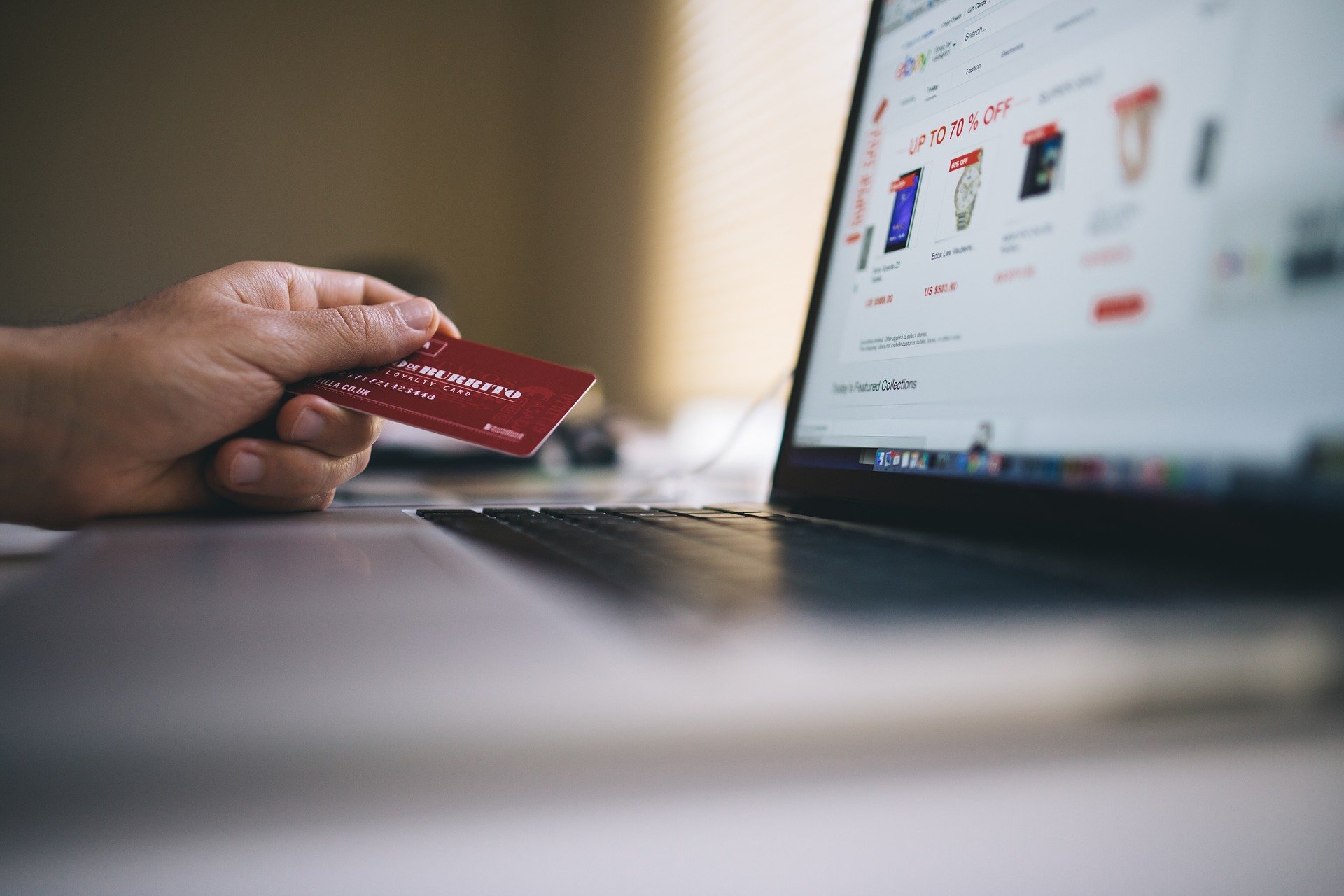
Unlike third-party fraud, which involves unauthorized individuals gaining access to your financial information, first-party fraud is committed by the actual account holders. With banking apps making it easy to dispute charges, fraudsters initiate chargebacks for genuine purchases. This type of misconduct has been growing rapidly as consumers exploit e-commerce and digital banking technologies.
"The fraudulent chargeback rate is increasing at an unprecedented pace, leading to billions in losses for merchants," — Mastercard spokesperson.
This quote underscores the urgency for businesses to adopt new strategies to combat refund fraud effectively.
Impact on Businesses and Consumers
rising fraudulent chargebacks do not just signify potential bankruptcy for businesses, but present a broader economic concern. When retailers face losses, they may increase product prices, reduce employee benefits, or cut jobs to offset their financial burdens.
- Increased Product Prices: Businesses pass the cost of fraudulent chargebacks on to consumers.
- Job Cuts: Companies may downsize to manage financial drains.
- Lower Spending on Innovation: Valuable funds are redirected from R&D to covering losses.
Actions You Can Take
As a consumer, making ethical purchase decisions and understanding the true cost of fraudulent behavior are critical. For businesses, investing in robust fraud detection systems and employing better transaction monitoring can make a significant difference. Business owners should refer to security guidelines issued by tech giants like Microsoft to enhance their fraud prevention efforts.
You can also check out Amazon's range of fraud prevention software for effective solutions.
Businesses on the Brink of Bankruptcy
Many small businesses lack the resources to combat refund fraud, often resorting to costly legal battles that yield uncertain outcomes. This ongoing struggle necessitates awareness and preventive measures. By familiarizing yourself with fraud prevention resources, like those provided by the Federal Trade Commission's Identity Theft website, both consumers and businesses can safeguard against chargeback fraud.
Staying informed and vigilant about fraudulent chargebacks is a shared responsibility. By adopting proactive measures, businesses and consumers can mitigate this growing financial threat and pave the way for a more secure economic environment.
