
America's Trading Partners: The Untapped Financial Threat
The Financial Weapon: A Deep Dive
The notion of countries leveraging US debt as a bargaining chip is not new, but actively considering it and publicly stating the possibility marks a significant shift. Holders of US debt, such as China, Japan, and other allies, recognize their purchasing power in the Treasury market can impact US economic stability. By divesting their holdings, they pose a potential risk to the American economy, whose stability is closely connected to its ability to borrow.
Understanding the Imbalance
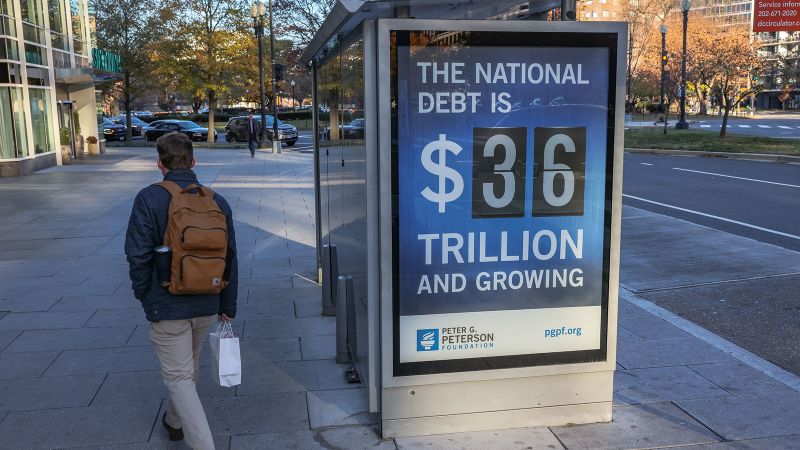
America's relationship with its trading partners is complex—an intricate weave of imports, exports, and financial assets. According to a report, the US owed over $7 trillion to foreign holders as of late 2023. This exposure provides leverage to creditor nations that could unleash volatility in the US financial market if desired.
"Wise markets and stable governments don't suddenly decide to unsettle the globe by selling off someone else's debt,"—a well-known finance minister noted in a recent conference.
Potential Consequences
- Increased interest rates due to reduced demand for US Treasuries.
- A possible weakening of the US dollar.
- Economic uncertainty leading to decreased investor confidence.
Calculating the Risk
Dumping US debt could trigger a ripple effect, leading to increased borrowing costs in the US and worldwide economic instability. However, the implications for the countries holding this debt are significant—selling US Treasuries could reduce their own foreign currency reserves and depreciate their exchange rates, leading to an economic backlash at home.
High-Stakes Global Economy
In the realm of global trade, where every action ripples across economies, the careful balance of power and money remains paramount. Other nations, while considering this financial 'bazooka', also recognize the mutual interdependency in the finely-tuned global economy. Understanding these dynamics can lead to more measured strategies and cooperative conflict resolution strategies.
Exploring the great intricacies of global finance, key sectors such as the economics experts on LinkedIn and institutional investors argue the ramifications of such a strategy should not be underestimated. Videos like this insightful discussion on YouTube explore more on interdependency.
Additional Insights
Understanding the magnitude of US debt in the global market can also offer opportunities. Analysts often recommend diversifying portfolios and embracing innovative financial products. Perhaps investing in global funds, as suggested here on Amazon, can mitigate risks involved with direct exposure to US financial products.
