
Breaking Down Trump's Pivotal Fed Chair Controversy
The Controversy Surrounding Jay Powell
Donald Trump's audacious statement remarking, "Jay Powell’s termination cannot come fast enough," has ignited discussions far beyond typical political discourse. Despite being out of office, Trump's opinions carry weight, and his criticism of monetary policy decisions has added tension to the financial landscape. Many are questioning the implications of such statements on market stability.
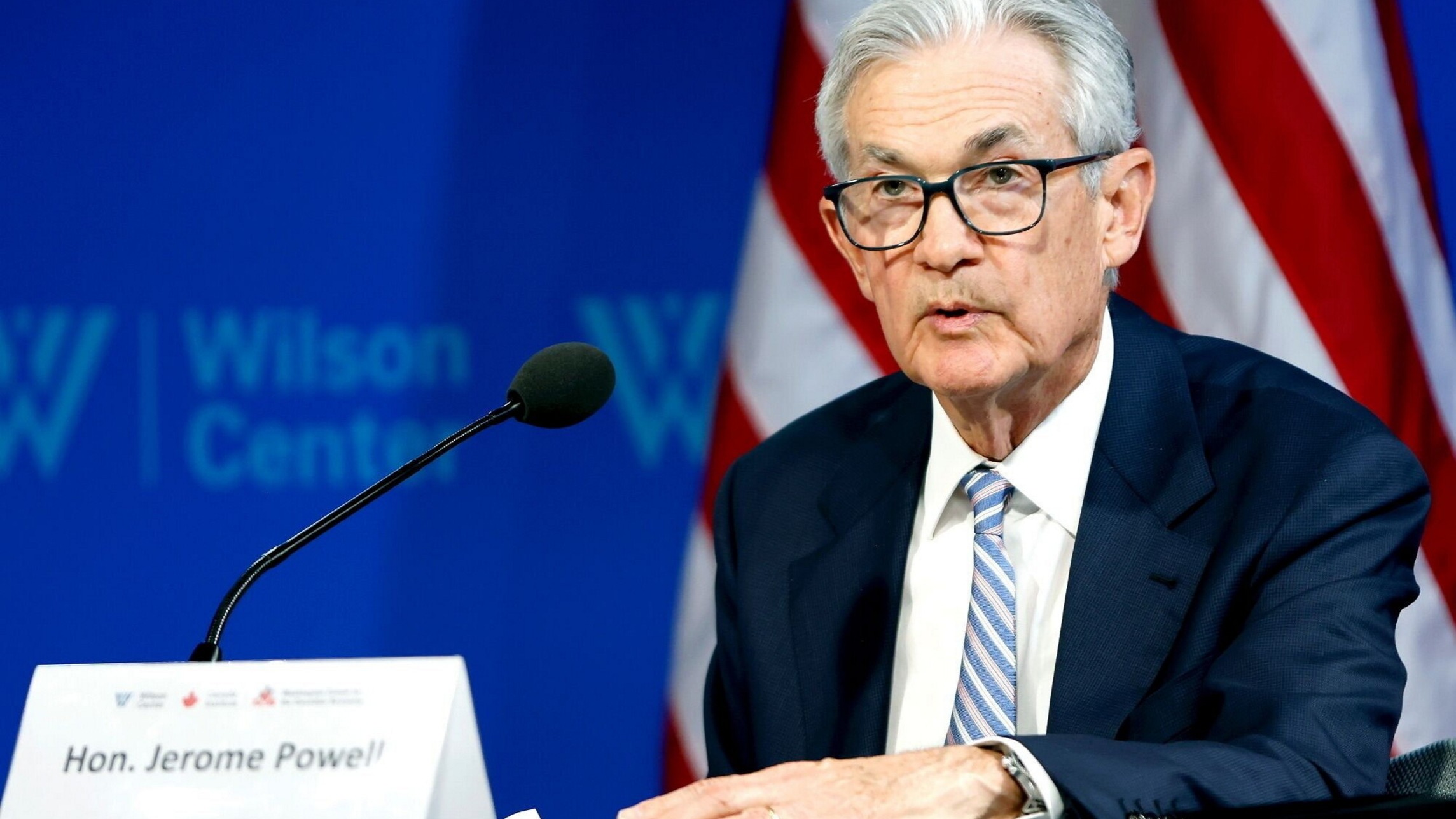
The Pressure on the Federal Reserve
The former president has long been an advocate for lower interest rates, a stance he consistently maintained during his administration. Trump's criticisms suggest that he believes such reductions would stimulate economic growth. But the Federal Reserve, led by Jay Powell, has maintained a cautious approach, emphasizing inflation control.
"The greatest danger in a time of turbulence is not the turbulence. It is to act with yesterday's logic." - Peter DruckerThis quote resonates as Powell endeavors to balance economic stability with proactive financial strategies in response to current economic fluctuations.
- Interest rates: A subject of continuous debate with far-reaching effects on the economy.
- Trump's ongoing influence: Despite being a past president, his vocal presence continues to shape public discourse.
- Market reactions: Investors remain alert to any policy changes hinted at through such public statements.
Market Implications
Critics argue that Trump's statements might introduce unnecessary volatility in the stock market. When public figures speak on economic policies, markets often react swiftly. The intersection of economics and politics becomes highly evident when examining the repercussions of this public dispute.
For more insights, explore a detailed market analysis on how political statements affect financial decisions today.
Further Exploration
For those interested in the nexus of politics and economics, reading "Interest Rates and The Global Economy" can offer comprehensive insights. This book provides academic perspectives on the impact of financial policies.
